2026 Best Dinosaur Fossil Suppliers for Global Buyers
The 2026 Best Dinosaur Fossil Suppliers for Global Buyers guide helps importers make careful, evidence-based purchasing decisions. Dinosaur Fossils can be scientifically valuable, commercially significant, and legally sensitive. Their quality, origin, and documentation deserve equal attention.
Experienced suppliers should provide clear provenance records, specimen photographs, restoration disclosures, and independent identification where available. Look for detailed views of bone texture, matrix, fractures, preparation marks, and repaired areas. Ask whether the specimen came from a documented excavation or an older private collection. Request invoices, export permits, import requirements, and chain-of-custody information before payment. Rules differ between countries. National heritage laws may restrict excavation, ownership, sale, or export.
A reliable supplier does not avoid difficult questions. They explain uncertainty. That matters. Some records may be incomplete, especially for older specimens. A polished display piece may contain more restoration than expected. Buyers should seek advice from qualified paleontologists, accredited museums, experienced preparators, and customs professionals. No online directory can guarantee every listing. That is an important limitation.
This guide compares suppliers through practical criteria, including scientific credibility, legal compliance, specimen transparency, preparation quality, communication, packaging, and after-sales support. It also considers how sellers handle risk during international shipping. Strong packaging can protect a fragile fossil from vibration, moisture, and sudden temperature changes. Global buyers should slow down, verify claims, and document every stage. Careful purchasing protects collections, research value, and cultural heritage.
Dinosaur Fossil Supplier Types and Global Market Categories
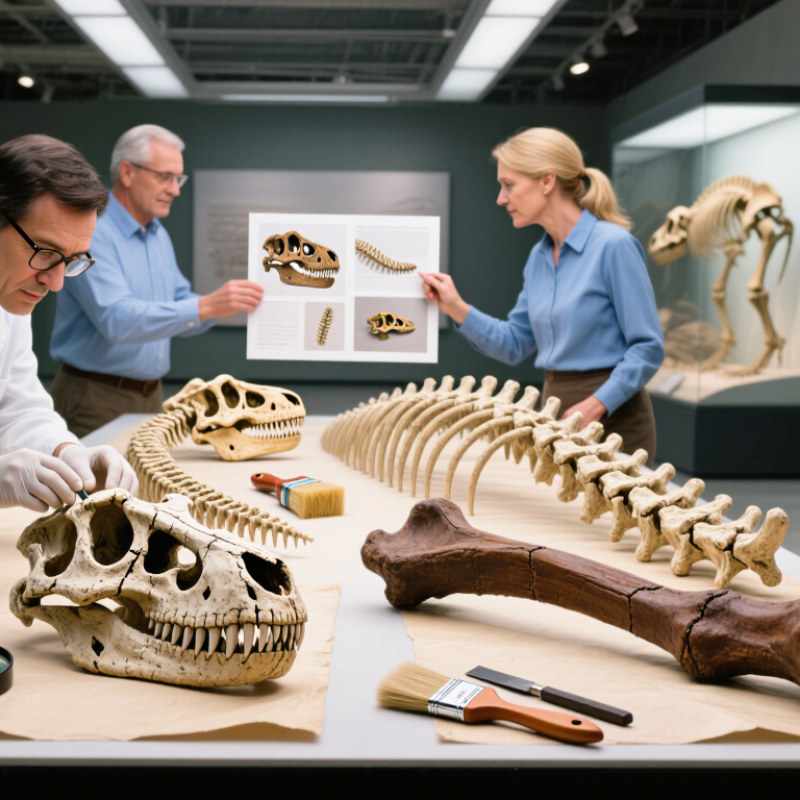
Dinosaur fossil suppliers serve different buyer needs, and their credentials can vary widely. Licensed excavation companies usually provide field records, preparation notes, and ownership documents. Specialist dealers may offer rare specimens, prepared pieces, or research-grade material. Museums and universities sometimes release duplicate teaching specimens through controlled programs. Replica manufacturers form another important supplier group. They produce casts for schools, exhibitions, hotels, and private displays without removing original fossils from scientific collections.
Global buyers often fall into several market categories. Research institutions need accurate specimens, stable documentation, and access to preparation data. Educational buyers prefer durable pieces, clear labels, and safe handling designs. Collectors may seek complete skeletons, teeth, or small diagnostic bones. Commercial display buyers often choose large replicas because transport and insurance costs are lower. Each category needs a different quotation, packing method, and inspection process.
A reliable supplier should explain fossil location, geological layer, preparation history, and legal ownership. Buyers should request high-resolution photographs, measurements, restoration details, and export documentation before payment. Import rules differ by country. Some jurisdictions restrict fossil excavation, sale, or export. Customs compliance must be checked independently. No catalog is perfect. Photos can hide repairs, and impressive color may result from treatment rather than natural preservation. An experienced buyer should compare records, consult a qualified paleontologist, and keep every document from purchase through delivery.
Key Criteria for Evaluating Dinosaur Fossil Suppliers in 2026
2026 Best Dinosaur Fossil Suppliers for Global Buyers
Key Criteria for Evaluating Dinosaur Fossil Suppliers in 2026
Reliable fossil suppliers should provide a clear specimen history, not vague claims about discovery. Ask for excavation location, collection date, ownership records, and transfer documents. Photographs should show the actual fossil from several angles. Stock images are a warning sign. A serious supplier also explains restoration, stabilization, and reconstructed areas in plain language. Small details matter, such as visible adhesive lines or replaced bone sections.
Legal compliance must be checked before payment. Requirements can differ between the source country and the buyer’s destination. Request export permits, import documents, and evidence that the specimen was not removed from protected land. Independent legal or museum guidance is valuable here. Do not rely only on a supplier’s promise. Regulations change, and even experienced buyers can miss a local restriction.
Scientific credibility is another practical test. Suppliers should provide identification, measurements, geological age estimates, and supporting references from qualified specialists. A certificate is useful, but it is not automatically proof of authenticity. Consider independent testing when the specimen is expensive or unusually complete. I once thought a polished presentation indicated strong quality; that assumption was weak. Transparent answers, consistent documentation, secure packaging, and a written return policy offer better evidence. The process may feel slower. That is often sensible.
Legal, Ethical, and Scientific Standards for Fossil Trading
2026 Best Dinosaur Fossil Suppliers for Global Buyers
Legal, Ethical, and Scientific Standards for Fossil Trading
A credible dinosaur fossil supplier should provide a complete provenance file. It should identify the find location, ownership history, export approval, import documents, and preparation records. UNESCO’s 1970 Convention treats unauthorized cultural-property movement as a serious international concern. Buyers should therefore request documents before discussing price.
Scientific documentation matters just as much. The Paleobiology Database contains more than two million fossil occurrence records, showing how valuable locality and taxonomy data can be. A responsible supplier should provide species identification, geological formation, specimen dimensions, restoration details, and photographs before preparation. Stable matrix can reveal context. Missing locality data is a warning.
Ethical sourcing also protects science. Specimens removed from protected land, private sites, or community areas without consent should not enter a legal collection. The ICOM Code of Ethics requires transparent acquisition records and responsible custodianship. Suppliers should support lawful excavation, museum cooperation, and local conservation. Paperwork is not glamorous. Yet even careful buyers may find gaps. I still question overly perfect records, especially when a rare specimen has no field photographs.
International Sourcing, Verification, and Shipping Procedures
For global dinosaur fossil buyers in 2026, supplier selection should begin with documented legal provenance. Request the fossil’s locality, discovery history, ownership records, and export permissions. A reputable supplier should provide consistent records, not vague claims.
Ask for high-resolution photographs, scale references, and restoration details. Independent paleontological review can identify composite pieces, replicas, or excessive reconstruction. CT scanning may help inspect hidden joins and internal structures. However, no single test proves authenticity. I have seen attractive specimens raise more questions after close examination. That is useful.
Check the destination country’s import rules before payment. Regulations differ by fossil type, origin, and transaction purpose. Use a licensed customs broker and confirm tariff codes, required certificates, and cultural-property restrictions. The shipping file should include a commercial invoice, packing list, provenance documents, and applicable export approvals. Use custom foam supports, moisture-resistant wrapping, shock indicators, and insured transport. Photograph the crate before dispatch and upon arrival. Small oversights matter.
Agree on Incoterms, inspection rights, damage procedures, and payment milestones in writing. A pre-shipment video can show the sealed specimen and package condition. Buyers should also verify whether preparation work used reversible materials. Some restorations look professional but reduce scientific value. Independent advice costs money, yet rushed savings can create legal, financial, and reputational problems.
Comparing Supplier Services, Costs, and Buyer Support
2026 Best Dinosaur Fossil Suppliers for Global Buyers
Comparing suppliers requires more than checking the fossil’s advertised price. Reliable sellers provide provenance records, specimen measurements, restoration details, and clear photographs. Ask whether the fossil is legally collected and exportable from its origin country. Import rules may also differ in your destination country. A low price can become expensive after permits, customs fees, insurance, and specialist packing.
Service quality often separates serious suppliers from casual dealers. Professional teams answer technical questions about preparation, matrix, repairs, and display stability. They should issue a detailed invoice and explain payment milestones before shipment. Support matters. Fast replies are useful, but accurate replies matter more. Request a condition report with close images of teeth, joints, cracks, and reconstructed areas. Video inspection can reveal details that studio photographs hide.
Buyer support should continue after payment. Good suppliers share packing photographs, tracking information, and customs documents without repeated requests. They also explain what happens if a shipment is delayed or damaged. However, no supplier is perfect. Some documents may remain incomplete, and delivery estimates can change. I would treat confident promises without written evidence as a warning. Comparing two or three formal quotations usually exposes hidden costs and vague service terms. The safest choice is not always the cheapest one.

