Top 10 Benefits of Acoustic Metal Panels for Your Space?
Acoustic Metal Panels are gaining popularity in modern architectural design. Renowned expert Dr. Emma Chen states, “These panels transform not just sound, but the entire ambiance of a space.” Their benefits extend beyond mere aesthetics. They enhance acoustics, reduce noise pollution, and improve overall sound quality.
In public spaces, such as restaurants or offices, noise control is crucial. Acoustic Metal Panels effectively absorb sound, creating a more pleasant environment. They come in various designs, allowing for seamless integration into any décor. Their durability and low maintenance add to their appeal, making them a practical choice for busy areas.
While the initial investment might seem daunting, the long-term advantages are undeniable. Spaces that utilize these panels often receive positive feedback from users. However, selecting the right design requires thoughtful consideration. Whether for an office, a concert hall, or an art gallery, there are challenges to navigate. Exploring different options will help achieve the best results.
Understanding Acoustic Metal Panels: An Overview
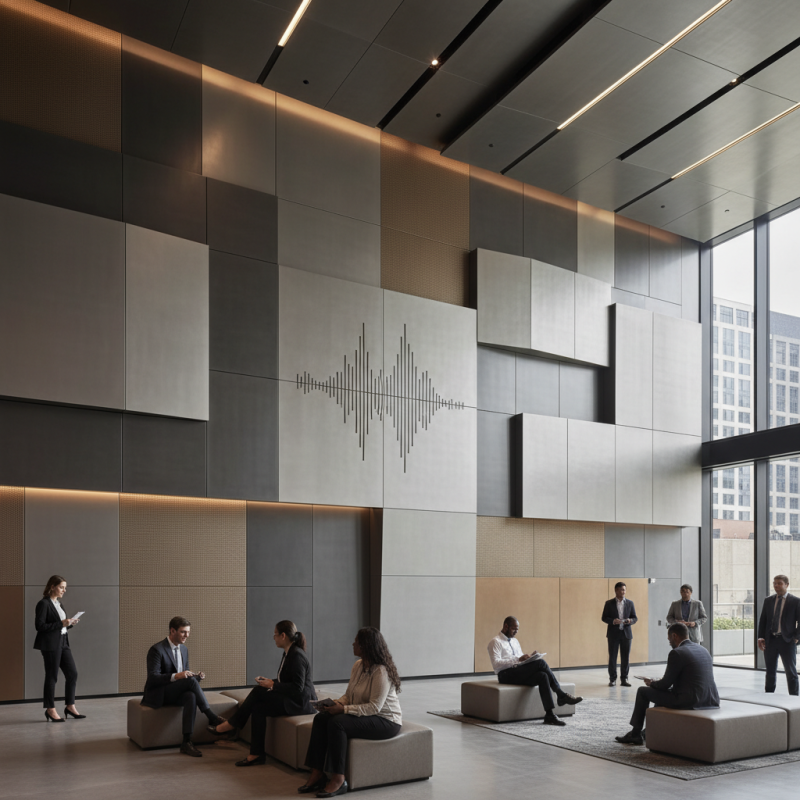
Acoustic metal panels are becoming popular in modern spaces for their unique combination of aesthetics and sound management. These panels are often made from various metal materials, which can enhance the visual appeal while controlling sound reflections. They are particularly useful in environments such as offices, restaurants, and auditoriums where noise levels can be disruptive.
When incorporating acoustic metal panels, consider the installation method. These panels can be mounted on walls or ceilings, depending on your needs. Tips for optimal placement include focusing on areas where sound bounces frequently. Pay attention to corners and hard surfaces, as they tend to amplify noise.
You might also want to evaluate your space's current acoustic performance before installation. Using sound level meters can provide valuable insights. Sometimes, your initial assumptions about noise may not be accurate. Regularly assess the effectiveness of the panels after installation. Adjustments may be required to achieve the desired acoustics.
Enhanced Sound Absorption in Various Environments
Acoustic metal panels are an excellent choice for enhancing sound absorption in various environments. These panels are designed to reduce noise levels, making spaces more comfortable and functional. Studies show that effective sound absorption can lower noise levels by up to 50%, significantly improving the quality of life for occupants.
In open office settings, the right acoustic solutions can minimize distractions. This fosters better communication and increases productivity. Research indicates that noise reduction can enhance employee focus by 30%. Similarly, in educational settings, these panels help create an optimal learning environment by mitigating background noise. A study found that students in acoustically treated classrooms perform better on tests compared to those in untreated ones.
Tips for maximizing the benefits of acoustic panels include proper placement and regular maintenance. Consider installing them on walls and ceilings to achieve even sound distribution. Ensure panels have sufficient coverage for your space size, as inadequate installation can lead to less effective results. Regular cleaning and checking for damage will maintain their performance over time. Remember, while acoustic panels greatly enhance sound absorption, they are not a cure-all and may need to be complemented with other soundproofing measures in certain settings.
Durability and Low Maintenance Benefits of Metal Panels
Acoustic metal panels offer exceptional durability and low maintenance, making them a popular choice for various spaces. Studies indicate that these panels can withstand harsh environmental conditions, including moisture and temperature fluctuations. Unlike traditional materials, metal panels do not warp or degrade over time, ensuring their longevity. According to a report from the Metal Construction Association, metal products can last over 50 years with minimal wear, providing a reliable solution for building owners.
Maintenance is another strong point for acoustic metal panels. They require minimal upkeep compared to wood or fabric alternatives. Routine cleaning, such as wiping down surfaces with a damp cloth, can keep them looking pristine. A survey by the American Institute of Steel Construction revealed that owners save approximately 30% in maintenance costs over the lifespan of metal structures compared to other materials. The inherent resistance to pests and mold further enhances their appeal for busy environments.
However, not all metal panels are created equal. The installation process can pose challenges, particularly in sound-sensitive spaces. The effectiveness of sound absorption can vary based on design and placement. It’s essential to work with professionals for optimal results. Continuous evaluation of performance is crucial to ensure that the desired acoustic properties are achieved and maintained over time. This reflective approach can lead to better outcomes in the long run.
Aesthetic Versatility: Designing with Acoustic Metal Panels
Acoustic metal panels offer remarkable aesthetic versatility, making them an ideal choice for a variety of spaces. Their sleek surfaces can be powder-coated in diverse colors, allowing designers to tailor the look to different themes and moods. According to a study by the Acoustical Society of America, environments that integrate appealing acoustical solutions often see increased user satisfaction by up to 30%. This highlights the importance of appearance alongside functionality.
Incorporating these panels can lead to unique artistic expressions as well. Some architects create stunning visual displays by arranging panels in intricate patterns. Importantly, these designs do not compromise sound absorption qualities. A report from the National Institute of Standards and Technology notes that acoustic metal panels can reduce reverberation time by up to 50% when properly installed. This balance between aesthetics and performance makes them popular among designers.
However, achieving the right blend of style and acoustics can challenge many designers. Each space may require different approaches and adjustments to meet the acoustic needs effectively. Trial and error is often necessary to find the most effective configurations. Reflections on these experiences can lead to deeper insights about leveraging acoustic solutions in innovative ways. Balancing beauty with function might involve tough decisions, but they often yield the best outcomes.
Top 10 Benefits of Acoustic Metal Panels for Your Space
| Benefit | Description |
| Aesthetic Appeal | Wide range of designs and finishes to enhance the look of any space. |
| Sound Absorption | Effectively reduces noise levels, creating a more comfortable environment. |
| Durability | Made of strong materials, ensuring long-lasting performance. |
| Eco-Friendly Options | Available in sustainable materials, contributing to green building initiatives. |
| Versatile Applications | Suitable for various settings, including offices, restaurants, and auditoriums. |
| Customizability | Can be customized in size, shape, and color to fit specific design needs. |
| Fire Resistance | Many options meet fire safety codes, enhancing safety in the space. |
| Easy Maintenance | Simple to clean and maintain, allowing for long-lasting beauty. |
| Lightweight | Less weight compared to traditional wall treatments, making installation easier. |
| Cost-Effective | Provides value by combining aesthetics with functionality at a fair price. |
Sustainability and Environmental Impact of Acoustic Panels
Acoustic metal panels provide significant sustainability advantages. These panels are often made from recyclable materials, reducing strain on natural resources. Choosing reclaimed metal can further minimize waste and energy use in production. This eco-conscious choice can positively affect both your space and the environment.
Moreover, the production process of acoustic panels is often energy-efficient. This method reduces greenhouse gas emissions, aligning with global sustainability goals. However, there are still challenges. Some manufacturing processes may involve toxic chemicals, posing risk factors for workers. This calls for careful selection of suppliers who prioritize environmentally safe practices.
Emphasizing local sourcing can further enhance sustainability. By minimizing transportation distances, you cut down on carbon footprints. However, the availability of local materials can sometimes be limited. It’s crucial to balance quality, cost, and eco-friendliness when making material choices. Achieving an ideal solution often takes effort and ongoing reflection on practices.