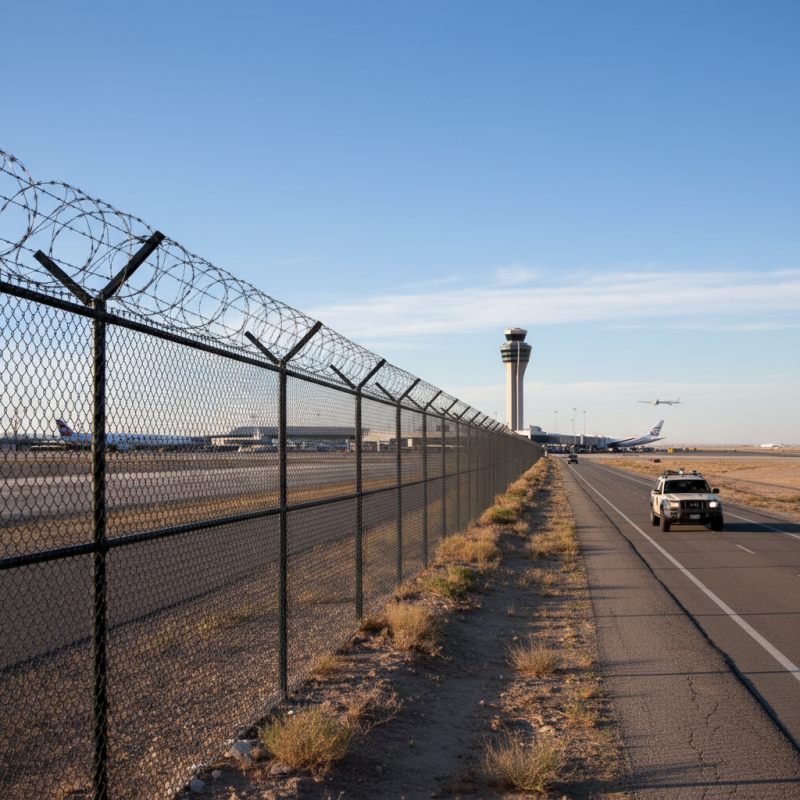
Best Airport Fence Options for Maximum Security?
When it comes to airport security, the importance of a robust airport fence cannot be overstated. An effective fence acts as the first line of defense against unauthorized access. Airports are busy hubs, and they must protect both people and infrastructure.
Choosing the right airport fence involves considering materials, height, and design. Steel fences offer durability, while chain link ones are cost-effective. However, some options may not provide the required security level.
It's vital to assess the airport’s specific needs. A well-planned airport fence should deter intruders while allowing visibility for surveillance. Yet, not all designs will fit every location. Each airport has unique challenges, and sometimes common solutions just won’t work.
Overview of Airport Security Needs and Regulations
Airport security is a complex and critical aspect of air travel. Many regulations dictate how to secure perimeters effectively. Fences play an essential role in this. They deter unauthorized access and ensure safety for all.
Various types of fences serve different purposes. Chain-link fences are common and economical. However, they might not provide the highest security level. For high-risk areas, solid fences can block visibility and additional barriers can deter intruders. This presents a challenge: finding a balance between visibility and security. A more secure option may feel closed off and unwelcoming.
Additionally, integrating technology into fence designs enhances security. Sensors and cameras can monitor perimeter breaches. Yet, reliance on technology brings its own set of issues. Equipment failures can occur, leaving gaps in security. Regular maintenance is essential. It requires planning and resources to maintain high standards consistently.
Best Airport Fence Options for Maximum Security
| Fence Type | Height | Material | Security Rating | Cost Estimate (per linear foot) |
| Chain-Link Fence | 8 ft | Galvanized Steel | Moderate | $10 - $15 |
| Wrought Iron Fence | 6 ft | Wrought Iron | High | $25 - $40 |
| Electric Fencing | Varies | Synthetic/Metal | Very High | $30 - $50 |
| Pallet Fencing | 4 ft | Wood | Low | $5 - $10 |
| Fencing with Barbed Wire | 10 ft | Steel | Very High | $15 - $25 |
Types of Fencing Materials for Enhanced Durability and Safety
When considering airport fencing, the material choice plays a crucial role in durability and safety. Chain-link fences are popular for their cost-effectiveness and visibility. However, they may not deter determined intruders. The addition of barbed wire enhances security but can create maintenance challenges over time.
For greater durability, consider welded-wire fences. These fences provide more strength and can resist corrosion. They often endure harsh weather conditions better than other materials. However, their installation can be more complex and may require professional assistance.
Another option is electrified fencing, which offers a psychological barrier. It can deter trespassing without physical obstruction. While effective, it raises concerns about safety and maintenance. Regular inspections are essential to ensure they work properly and don't pose risks to animals or people. Each fencing type has advantages and disadvantages that require careful evaluation to meet specific security needs.
Best Airport Fence Options for Maximum Security
This bar chart displays the durability ratings of various airport fence options commonly used for enhancing security. Each type of fencing material is rated based on its durability, with values ranging from 1 to 10, helping decision-makers choose the most suitable fencing for maximum protection.
Design Considerations for Effective Airport Perimeter Fencing
Airport perimeter fencing is crucial for security. The design must balance visibility and strength. A fence that is too high may obscure views. Meanwhile, a low fence may not deter intruders. A thoughtful height is often recommended, usually around six to eight feet.
Material choice plays a significant role. Chain-link fences are common. They are cost-effective and provide visibility. However, some may find them too flimsy. Alternative materials like welded wire can offer more security but may come at a higher cost. Ultimately, airport planners must weigh the pros and cons of different materials.
It’s also important to consider access points. Gates should be secure and monitored. Automated systems can help enhance security. Still, they might introduce technology-related challenges. Regular maintenance is essential, even for sturdy structures. A neglected fence might become an easy target. Planning for these elements ensures a robust and effective perimeter solution.
Technological Integrations for Modern Airport Fencing Solutions
Modern airports face unique security challenges. Advanced fencing solutions are now essential for maximum protection. These options integrate cutting-edge technologies. Smart fences often include sensors that detect movement. They can alert security teams in real-time. This proactive approach can deter threats before they escalate.
Implementing surveillance cameras within fence designs enhances security. Linking these cameras to an AI system allows for immediate threat identification. This technology can distinguish between false alarms and genuine risks. Intelligent lighting systems can shine directly on identified threats, ensuring visibility at night.
Tips for selecting the right airport fence include considering durability and height. A sturdy fence made from reinforced materials can withstand various attacks. Height is crucial; it needs to deter climbing but still be aesthetically pleasing. Regular maintenance checks are vital. Ensure all tech integrations function properly. Investing time in reviews can improve the overall security strategy. Maintaining these systems could reveal areas needing improvement.
Maintenance and Inspection Practices for Long-lasting Security Fences
Maintaining airport security fences is crucial for safety. Regular inspections help identify wear and tear. Even a small breach can lead to significant problems. It's essential to check for rust, damage, or loose fittings. Schedule inspections every few months, especially after severe weather. An overlooked flaw can compromise the entire perimeter.
The upkeep of fences requires attention to detail. Cleaning debris away from the base prevents pest infestations. Ensure that vegetation does not obstruct visibility. A clear line of sight deters trespassers. Some fence materials may need touch-ups or repainting. This keeps both functionality and aesthetics in check.
Investing time in these practices enhances fence longevity. However, some airport staff may neglect this responsibility. The cost of overlooking maintenance can be steep. Regular communication between security teams and maintenance workers is vital. Together, they can ensure that all vulnerabilities are addressed promptly.