

10 Best Commercial Shelving Units for Businesses
Commercial Shelving can shape how quickly a business receives stock, serves customers, and replenishes a work area. In a shop, that may mean keeping popular items visible at eye level. In a stockroom, it may mean fitting cartons, tools, and spare parts into a narrow footprint without blocking access. The right unit is practical, not merely sturdy-looking.
The U.S. Census Bureau’s Quarterly Retail E-Commerce Sales report estimated 2024 U.S. e-commerce sales at $1.19 trillion, up 8.1% from 2023. That figure does not prove every business needs more shelving. It does highlight the scale of goods moving through modern retail—and the value of organized storage. MHI’s 2024 Annual Industry Report also examines how supply-chain operations are adapting to changing demands. Storage decisions deserve the same careful attention.
This guide compares 10 commercial shelving options for different business needs, from lightweight back-room storage to heavy-duty inventory areas. It considers load capacity, material, adjustability, footprint, assembly, and access. A small detail matters: a shelf that fits the wall may still leave too little room for a cart or safe handling. Every inch matters. Still, no ranking can replace measuring your space and checking the manufacturer’s load ratings. Some trade-offs are easy to miss. The best choice is the one that suits your inventory, staff, and daily workflow—not simply the lowest price.
What Commercial Shelving Units Are and How Businesses Use Them
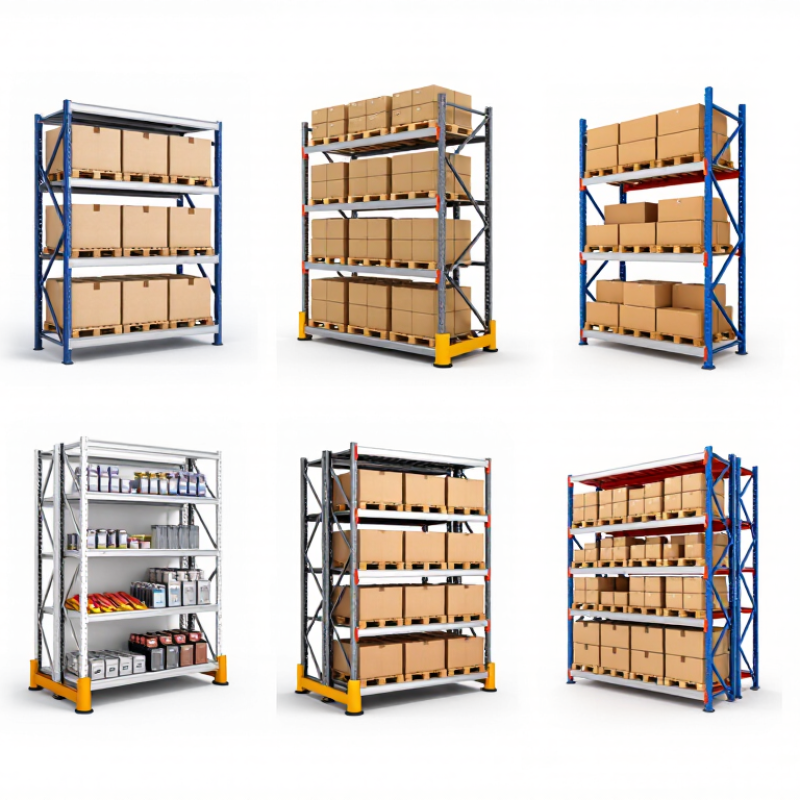
Commercial shelving units are sturdy storage systems designed for frequent use in shops, warehouses, workshops, and other business spaces. They usually combine upright frames with adjustable shelves, allowing staff to change shelf heights as stock or equipment changes. Some models use open wire shelves for airflow and visibility; others have solid surfaces for smaller items. Load capacity varies, so businesses should check the stated rating rather than judge strength by appearance.
In a retail stockroom, shelves can separate incoming cartons from items ready for the sales floor. Clear labels and consistent placement make restocking faster. In a workshop, adjustable tiers can keep hand tools, parts bins, and supplies within reach. Warehouses may use taller systems to use vertical space, but aisles still need room for safe movement and picking. Small details matter. A shelf set too high can slow daily work.
Choosing a unit involves more than measuring an empty wall. Businesses should consider item weight, shelf depth, cleaning needs, and how often inventory changes. Anchoring may be appropriate for tall units, depending on the design and installation guidance. A tidy layout can still fail if workers cannot reach frequently used goods comfortably. I have seen storage plans look sensible on paper, then feel awkward once cartons arrive. Rechecking the setup after a few weeks can reveal wasted space or inconvenient shelf positions.
| Shelving Type | Typical Construction | Common Dimensions | Typical Load per Shelf | Common Business Uses | Key Considerations |
|---|---|---|---|---|---|
| Wire shelving | Chrome-plated or coated steel wire shelves on adjustable posts | 36–48 in. wide × 18–24 in. deep; commonly 60–72 in. tall | About 300–800 lb, depending on design and load distribution | Restaurant dry storage, stockrooms, supply closets, and areas where airflow is useful | Open construction helps air circulate and makes shelves easy to inspect; use shelf liners for small items. |
| Steel boltless shelving | Painted or galvanized steel frames with particleboard, steel, or wire decks | 36–48 in. wide × 18–24 in. deep; commonly 72–96 in. tall | About 400–1,000 lb | Retail backrooms, workshops, office supply rooms, and general inventory storage | Adjustable beams allow shelf spacing to change; confirm the rating for the exact deck and frame configuration. |
| Rivet shelving | Heavy-gauge steel uprights and beams with solid or wire decks; assembled without bolts | 48–96 in. wide × 18–36 in. deep; commonly 72–96 in. tall | About 500–1,500 lb | Warehouses, maintenance departments, and storage of bulky cartons or equipment | Useful for wider spans and heavier loads; check beam capacity as well as shelf capacity. |
| Mobile shelving | Shelving mounted on tracks or locking industrial casters | Varies by system; individual units are often 24–48 in. wide | About 200–800 lb per shelf | Archives, healthcare supply rooms, workshops, and spaces where floor area is limited | Mobile systems need a stable, suitable floor and clear access paths; lock wheels or tracks before loading or retrieval. |
| Stainless-steel shelving | Stainless-steel shelves and posts, often with adjustable shelf heights | 36–60 in. wide × 18–24 in. deep; commonly 60–72 in. tall | About 300–800 lb | Commercial kitchens, food-preparation areas, laboratories, and washdown environments | Choose a grade and finish suited to the environment; follow local sanitation and food-storage requirements. |
| Plastic shelving | Molded plastic shelves with plastic or metal-reinforced posts | 18–48 in. wide × 14–24 in. deep; commonly 36–72 in. tall | About 100–500 lb | Cleaning-chemical storage, damp areas, healthcare supplies, and lightweight stock | Resists moisture and is easy to clean; check temperature limits and compatibility with chemicals. |
| Long-span shelving | Steel frames and beams with solid or wire shelf panels | 48–96 in. wide × 18–36 in. deep; commonly 72–120 in. tall | About 500–2,000 lb | Long or oversized items, bulk inventory, and warehouse picking areas | Long spans can deflect under load; use the specified beam and deck combination and distribute weight evenly. |
| Bulk storage shelving | Heavy-duty steel frames with wide, deep shelves or decking | 48–96 in. wide × 24–48 in. deep; commonly 72–120 in. tall | About 1,000–2,500 lb | Large containers, equipment, bulk supplies, and warehouse reserve stock | Plan for floor loading, safe access, and secure installation; published capacities vary substantially by model. |
| Retail display shelving | Metal or wood shelving, often with slotted uprights or adjustable brackets | Commonly 24–48 in. wide × 12–24 in. deep; height varies | About 50–300 lb | Shop floors, showrooms, convenience stores, and customer-facing product displays | Prioritize visibility, easy restocking, and stable placement; verify shelf ratings for heavier merchandise. |
| Cabinet-style shelving | Enclosed steel or wood cabinet with adjustable internal shelves and doors | Commonly 24–48 in. wide × 18–24 in. deep; 36–84 in. tall | About 100–500 lb | Offices, workshops, records rooms, and storage of items that need to be kept out of sight | Lockable doors can help control access; confirm ventilation needs and the cabinet’s total load rating. |