

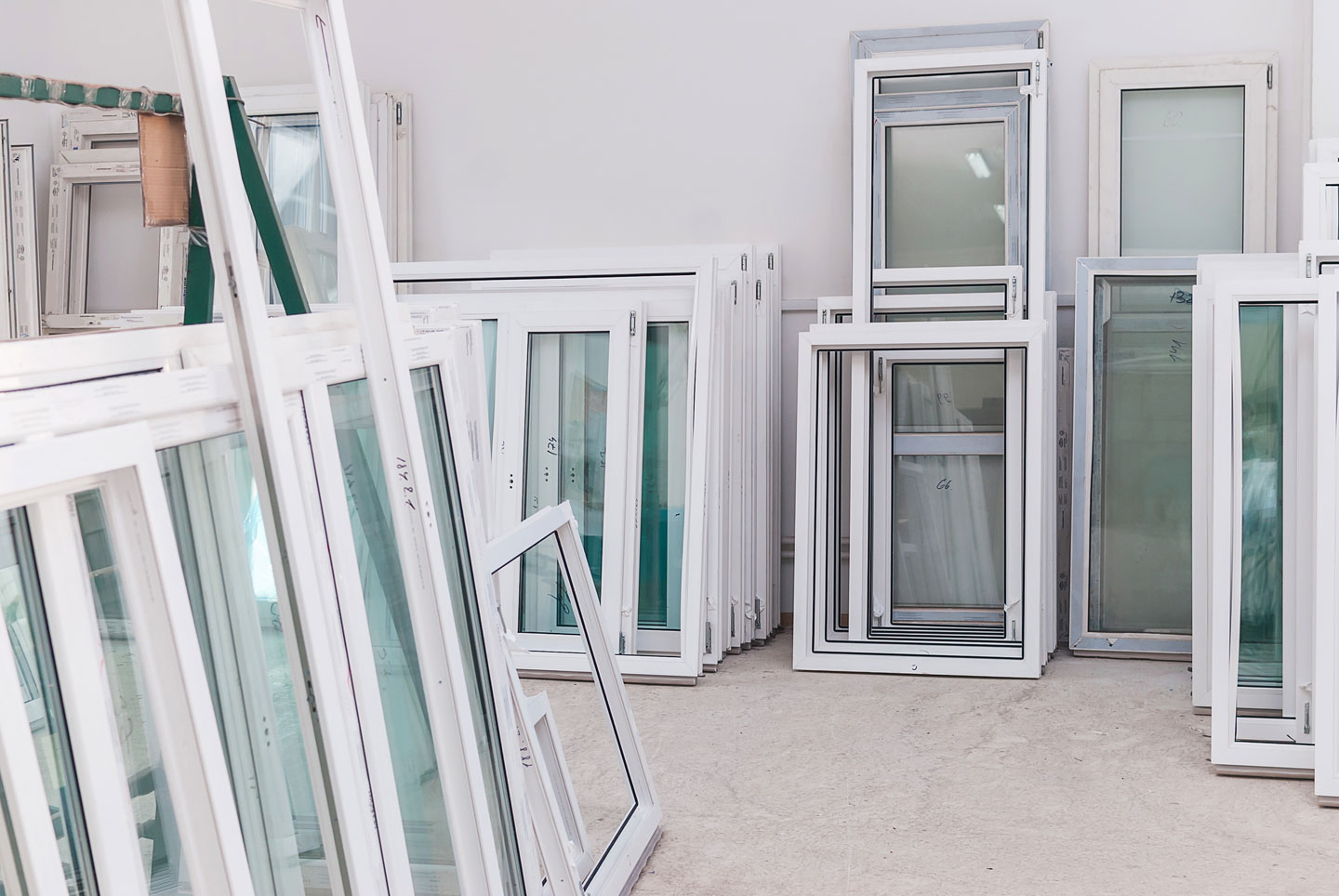
What Is the Best Type of Vinyl Patio Doors?
Choosing vinyl patio doors is rarely as simple as comparing frame colors and price tags. The right choice depends on climate, glass performance, drainage, security, and installation quality. A door that glides smoothly in a showroom may struggle after years of rain, sunlight, and seasonal movement.
Veteran contractor and home-improvement expert Mike Holmes often emphasizes, “A good installation is just as important as a good product.” That practical warning matters when evaluating vinyl patio doors. Even a well-designed frame can leak air if the opening is poorly measured. Weak flashing can also invite water behind the wall. Small details create expensive problems.
This guide examines what makes one vinyl patio door better than another. We will consider sliding and hinged designs, multi-chamber frames, Low-E glass, weather seals, reinforced locks, and energy ratings. We will also look at maintenance and long-term value. “Best” is not universal. A coastal home may need different protection than a dry inland property. A narrow patio may favor a slider, while a wide opening may suit a folding or French-style system.
There is no perfect door. That is worth admitting.
Some attractive features may add cost without improving daily use. Others may seem minor but prevent drafts, condensation, or difficult operation. By comparing these details carefully, homeowners can make a more reliable decision instead of choosing by appearance alone.
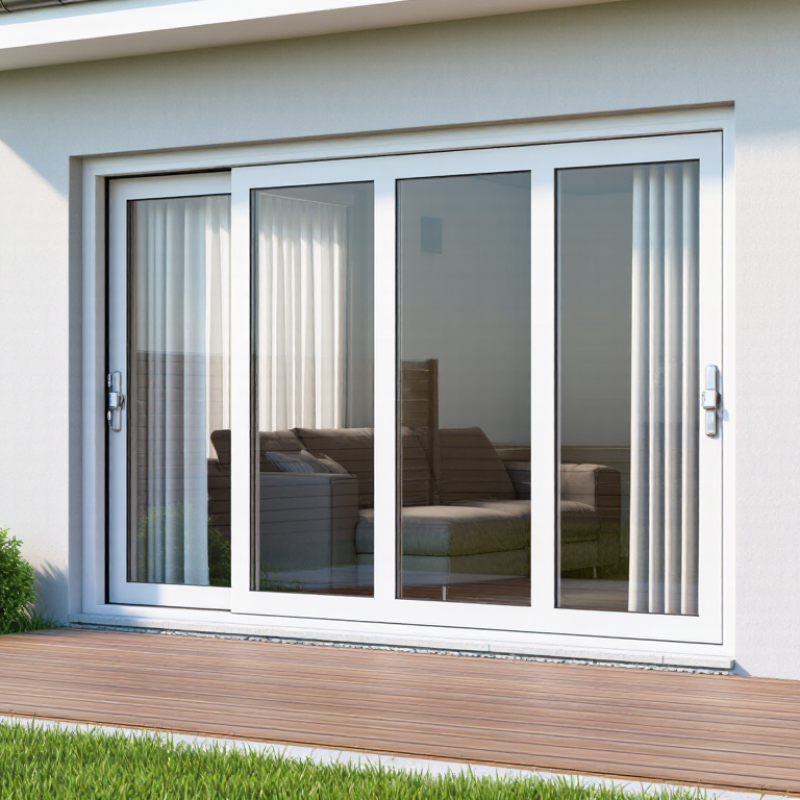
Vinyl Patio Door Types and Their Key Differences
Choosing the best vinyl patio door depends on movement, daylight, ventilation, and installation conditions. The main types include sliding, hinged French, multi-slide, and lift-and-slide doors. Sliding doors move on horizontal rollers and need no interior swing space. They suit compact patios, but worn rollers can make a wide panel difficult to operate. Hinged doors open like traditional entry doors. They usually provide a tighter perimeter seal, yet require clear floor space.
Multi-slide systems create a broad opening by stacking panels beside one another. Lift-and-slide doors use hardware that raises the panel slightly before movement. This reduces rolling resistance and supports larger glass areas. However, these systems cost more and demand accurate structural preparation. A slightly uneven track can become an expensive problem.
Vinyl frames differ in more than color. Compare frame reinforcement, welded corners, drainage paths, glass thickness, and locking points. The National Fenestration Rating Council recommends comparing U-factor, solar heat gain coefficient, visible transmittance, and air leakage ratings. Lower U-factor generally improves insulation.
The U.S. Department of Energy reports that windows account for about 25–30% of residential heating and cooling energy use, making glass selection important. Energy Star guidance also stresses climate-specific ratings rather than one universal specification. Low-emissivity glass can reduce winter heat loss, but it may limit useful solar warmth in some rooms.
My first choice would be a well-installed sliding door for everyday practicality, though that judgment changes with patio size and climate. Small details matter. Also, advertised performance can weaken when installation is rushed.
How Vinyl Patio Doors Perform in Different Home Settings
Vinyl patio doors perform differently depending on the room, climate, and daily habits. In a shaded living room, insulated frames can reduce drafts and keep the glass area comfortable. Sun-facing openings are less forgiving. Strong afternoon heat may raise indoor temperatures, especially with large glass panels. In my experience measuring rooms, curtain placement matters more than many homeowners expect. A door can be well installed, yet feel warm beside an uncovered west-facing window. Small details matter.
In humid coastal homes, vinyl resists moisture and will not rust like exposed metal hardware. Still, the track needs regular cleaning. Sand, pet hair, and grit can make smooth rollers feel unreliable. A soft brush and damp cloth usually help. In colder regions, multi-pane glass and tight weather seals are more important than frame color or decorative features. Poor installation can defeat good materials. That point deserves more attention.
Busy kitchens and family rooms benefit from sliding panels that save floor space. Hinged patio doors may provide a wider opening, but they need clearance for furniture and traffic. Older homes can be challenging because walls are rarely perfectly square. An experienced installer should check the opening, sill condition, drainage path, and level before ordering. Vinyl is practical, not magical. It can warp or leak when sizing is wrong or installation is rushed. Homeowners should compare local weather, room use, and maintenance habits before choosing.
What Is the Best Type of Vinyl Patio Door?
How vinyl patio doors perform depends largely on the glazing system and the home’s climate. Lower U-factor values indicate better insulation, while SHGC values show how much solar heat enters through the glass.
Cold climates: Double or triple low-emissivity glazing can reduce heat loss. Mixed climates: Double low-e glazing usually provides a balanced combination of insulation and daylight. Hot climates: Low-e glass with a lower SHGC can help limit unwanted solar heat gain.
The chart uses representative center-of-glazing performance values commonly published for residential window and patio-door glass. Actual whole-door ratings vary by frame, spacer, glass size, and installation quality.
Comparing Energy Efficiency, Durability, and Maintenance Needs
Vinyl patio doors should be judged by more than appearance.
Energy performance depends on U-factor, solar heat gain coefficient, glazing, and air leakage. The U.S. Department of Energy estimates that windows account for about 25–30% of residential heating and cooling energy use. A lower U-factor usually improves insulation, while SHGC should match the local climate and room exposure. The National Fenestration Rating Council label provides these measurements for certified products.
Durability is another practical concern. Vinyl frames resist rot, corrosion, and regular moisture better than many traditional materials. However, temperature changes can cause expansion, especially around large glass panels. Rollers, weatherstripping, and locks may still wear out. That part is easy to overlook. ENERGY STAR guidance recommends checking frame quality, glazing performance, and installation together, because a highly rated door can still lose energy through poor sealing. Maintenance is usually simple, but tracks need cleaning and hardware may need adjustment every year.
Tips: Compare certified U-factor and air-leakage ratings, not just advertised glass type. Test the door in the showroom; it should slide smoothly without flexing. Inspect the sill for drainage paths. I would also question very low prices. They may reduce upfront cost, but weaker rollers or seals can create repairs later. My own view is imperfect: vinyl is low-maintenance, not maintenance-free. A shaded, correctly installed door often performs better than an expensive door fitted carelessly.
Important Design, Security, and Installation Considerations
Choosing the best vinyl patio door starts with the room, not the catalog. Sliding doors preserve interior space and suit narrow patios. Hinged doors offer a wider opening and a more traditional appearance. White frames reflect light, while darker finishes can add contrast but may show scratches sooner. Consider sightlines, furniture placement, and how sunlight changes throughout the day. Measure twice. Design mistakes are expensive.
Security depends on more than a strong-looking panel. Choose tempered safety glass, or laminated glass where extra resistance matters. A multi-point locking system can secure the door at several locations. Anti-lift blocks help prevent panels from being removed from the exterior. The frame should include a reinforced lock area. Keep the track clean and check the rollers every season. Small maintenance failures can weaken daily security.
Installation quality often decides whether the door performs well. The opening must be square, level, and properly supported with shims. A sill pan and carefully layered flashing help direct water outside. Use low-expansion foam around the frame, then apply compatible exterior sealant. Too much foam can distort the frame. That mistake is easy to make. An experienced installer should inspect drainage, wall conditions, and local building requirements before fastening the unit. Even an excellent door can leak when the surrounding opening is poorly prepared.
How to Choose the Best Vinyl Patio Door for Your Home
Choosing the best vinyl patio door starts with your room, not a showroom label. Measure the opening twice, including width, height, and wall depth. Check the floor with a long level. A small slope can make a sliding panel feel heavy. Vinyl frames resist moisture and need little painting, which suits busy households and damp climates. However, frame quality varies. Look for reinforced corners, smooth welds, and a tight weather seal. A low price can hide weak rollers or thin hardware. That lesson is easy to learn too late.
Consider how your family uses the doorway. A two-panel slider saves indoor space and works well beside furniture. A hinged door opens wider, but it needs a clear swing area. For frequent traffic, test the handle, lock, and screen movement in person. Low-emissivity glass can reduce heat transfer, while insulated panes may soften outdoor noise. Ask for performance ratings, installation details, warranty exclusions, and replacement-part availability. A beautiful door installed out of square may leak air and frustrate you daily. I would choose dependable operation over a stylish frame needing constant adjustment.
Tips: Compare three written estimates. Confirm who handles disposal and trim repairs. Check drainage outside the sill after rain. Choose a threshold that balances weather protection with easy entry. If your floors are uneven, allow extra adjustment time. Do not ignore a slight rattle. It may signal poor alignment. Take photos before installation, because memory becomes unreliable.
Related Posts
-
Top Factors to Consider for 2025 Double Hung Vinyl Windows Selection
-

2025 Top 5 Benefits of Choosing Single Hung Vinyl Windows for Your Home
-
Why Choosing the Right Patio Doors Can Transform Your Home Aesthetic
-
How to Choose the Right Window Installation for Your Global Supply Chain
-
Global Leaders in Patio Door Replacement Manufacturing Driving Exports to Meet Global Demand
-
How to Choose the Right Insert Windows for Your Home Renovation Project