What is the Best WPC Decking for Outdoor Spaces?
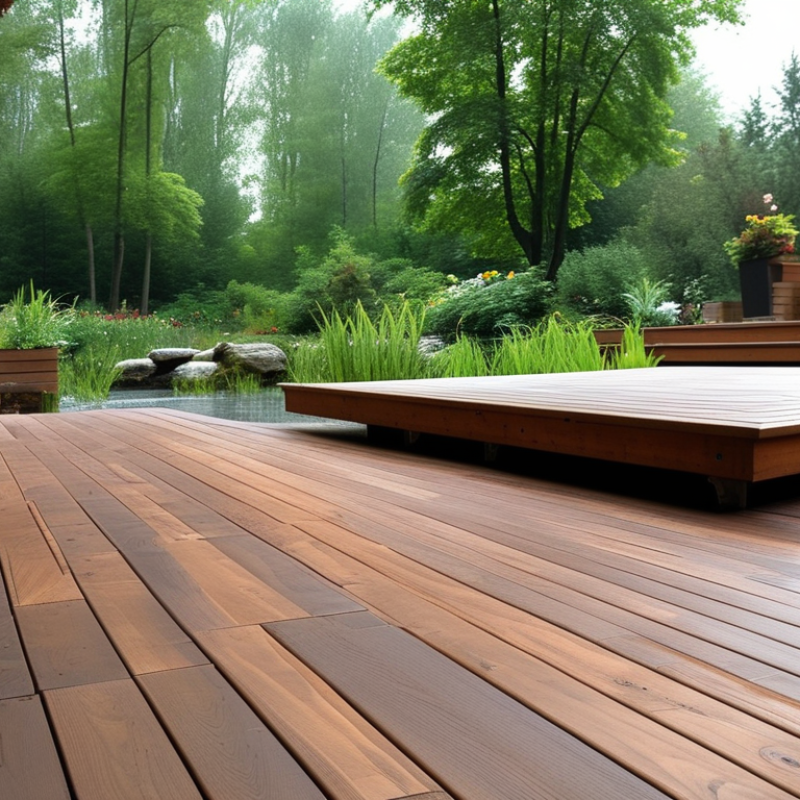
When considering outdoor spaces, the choice of decking is crucial. The market offers various options, but what is the Best Wpc Decking for your needs? WPC, or wood-plastic composite, combines durability with aesthetic appeal. It aims to provide a sustainable alternative to traditional wood.
Selecting the best WPC decking can be overwhelming. Not all products share the same quality, so it’s essential to research thoroughly. Look for brands with proven expertise in composite materials. Testimonials and reviews can provide insights into performance, longevity, and appearance.
Always consider the climate in your area. Some WPC decking performs better in extreme heat or moisture. Environmental factors greatly affect durability, making some options more reliable than others. Reflect on what aspects matter most to you. It's worth investing in quality decking that meets your specific outdoor needs, even if it costs a bit more.
Understanding WPC Decking: Definition and Benefits
WPC decking, or wood-plastic composite decking, is becoming a popular choice for outdoor spaces. This material combines recycled wood fibers and recycled plastic. It offers a sustainable solution for homeowners keen on preserving the environment. According to a report by Freedonia Group, the demand for WPC decking is expected to grow by 5.6% annually, reaching $2.1 billion by 2025. This growth illustrates a significant shift towards eco-friendly building materials.
The benefits of WPC decking are numerous. It is resistant to rot, insects, and moisture. This durability can lead to lower maintenance costs over time. A study by Statista revealed that homeowners can save up to 30% on maintenance when choosing WPC over traditional wood. However, some concerns persist. WPC decking can fade with prolonged sun exposure, and its slip resistance may vary by brand. Additionally, installation issues can arise, particularly in areas with extreme temperatures.
Understanding these nuances is crucial for homeowners. While many enjoy the aesthetic appeal of WPC, it's essential to consider local climate and sun exposure. Potential buyers should carefully weigh the pros and cons. This thoughtful approach will lead to better long-term satisfaction with outdoor areas.
Key Features to Consider When Choosing WPC Decking
When selecting WPC decking for outdoor spaces, several key features play a crucial role. Durability stands out as a primary consideration. According to a 2022 report by the American Wood Council, WPC materials can last up to 25 years with proper care. This longevity reduces the need for frequent replacements, making it a cost-effective choice in the long run.
Another important aspect is slip resistance. A study by the National Association of Home Builders indicated that WPC decking with a high slip-resistant rating can help prevent accidents in wet conditions. Homeowners should consider options that meet or exceed the ASTM D2394 standards. Additionally, the surface texture contributes to comfort and safety during use.
Environmental impact is also significant. Many consumers lean towards eco-friendly options, and WPC typically contains recycled materials. However, not all products are created equal, and transparency about sourcing is vital. A report from the Environmental Protection Agency highlights that some producers may not adhere to sustainable practices. Homeowners must conduct thorough research to ensure their decking choice aligns with their environmental values.
Comparing Different Types of WPC Decking Materials
When exploring WPC (wood-plastic composite) decking options, it’s essential to compare the various types available. WPC decking offers excellent durability and low maintenance, making it a popular choice for outdoor spaces. There are different formulations, each with unique characteristics. Some have higher wood content, enhancing natural aesthetics, while others prioritize plastic for improved weather resistance.
Consider the wood fiber used in different products. Natural fibers can be susceptible to mold and decay, while synthetic fibers might offer better longevity. On the other hand, fully synthetic WPC decking tends to be less environmentally friendly. Think about your priorities: aesthetics versus durability. Sometimes, a balance between these factors is hard to achieve, leading to tough decisions.
Texture also varies significantly across products. Some WPC decking has a smooth finish, while others mimic the rugged look of natural wood grain. This variance affects both appearance and slip resistance. Evaluate your space carefully. The best choice is one that fits your lifestyle, climate, and design goals, even if it means sacrificing a bit in one area. Making a wise decision involves careful consideration of these details.
Top Brands for WPC Decking in Outdoor Spaces
When it comes to WPC decking, choosing the right brand can make a significant difference. Many brands offer various options in color, texture, and durability. Look for products that withstand the elements and require minimal maintenance. Weather-resistant features are essential for outdoor spaces.
Additionally, some brands emphasize eco-friendliness in their manufacturing. Consider options made from recycled materials, which can contribute to sustainability. A brand's reputation is also important. Research customer reviews and feedback to gauge long-term satisfaction. Some brands may excel in initial appearance but falter over time.
It's crucial to weigh both aesthetics and functionality. Inconsistent quality can lead to regrets later on. A beautiful deck that quickly fades or warps isn't worth the investment. Explore different styles and finishes, but prioritize longevity. Effective research will help you make informed choices for your outdoor space, leading to a satisfying purchase.
Best WPC Decking Brands for Outdoor Spaces
Installation and Maintenance Tips for WPC Decking
When installing WPC decking, choose a suitable foundation. A level surface is crucial for durability. Research indicates that proper installation can extend the lifespan of WPC decking by up to 25%. Ensure adequate spacing between boards for expansion. This gap helps prevent warping and allows for drainage.
Regular maintenance is vital for performance. Experts suggest cleaning the surface every three to six months. This involves sweeping debris and using mild soap with water. Avoid harsh chemicals, as they can damage the surface. Reports show that neglecting maintenance can reduce lifespan by 30%.
Pay attention to environmental factors. UV rays can fade colors over time. Consider applying a UV protectant to maintain the aesthetic appeal. Also, watch for moisture accumulation to prevent mold growth. While WPC decking is low-maintenance, occasional checks are necessary to ensure longevity. Take time to reflect on these aspects to enhance your outdoor space.
What is the Best WPC Decking for Outdoor Spaces? - Installation and Maintenance Tips for WPC Decking
| WPC Decking Type | Material Composition | Durability Rating | Maintenance Level | Cost per Square Foot |
| Composite Wood | 60% Wood Fiber, 30% Recycled Polymer, 10% Additives | High | Low | $3.50 |
| Plastic-Composite | 100% Recycled Plastic | Very High | Very Low | $4.50 |
| Wood-Polymer Composite | 50% Wood, 50% Polymer | Medium | Moderate | $3.00 |
| PVC Decking | 100% Polyvinyl Chloride | Very High | Very Low | $5.00 |