
China Best Sliding Glass Patio Doors for Global Buyers?
For global buyers, selecting China’s best sliding glass patio doors involves more than comparing photos or headline prices. China offers a wide range of manufacturers, product configurations, and customization options. However, “best” depends on the project: a coastal home, a high-rise apartment, and a garden-facing living room may need different specifications. A door that looks elegant in a showroom still has to perform in daily use. Small details matter.
This guide explores the features buyers can compare, including frame materials, glass options, opening systems, weather seals, and hardware. It also explains what to check when assessing suppliers, from product drawings and sample details to documented testing and clear warranty terms. Requirements vary by destination market, so buyers should confirm applicable standards with qualified local professionals rather than assume one certificate covers every project. Ask specific questions. How smoothly does the panel move? Can replacement rollers be sourced later? Does the quoted price include installation guidance and export packaging? These practical checks can reveal gaps that a product brochure may not show. No single factory is right for every order, and the lowest quote may leave important costs unclear. That deserves a second look. With careful comparison, buyers can narrow their choices and identify sliding glass patio doors suited to their climate, budget, and project needs.
What Sliding Glass Patio Doors Are and How Their Systems Work
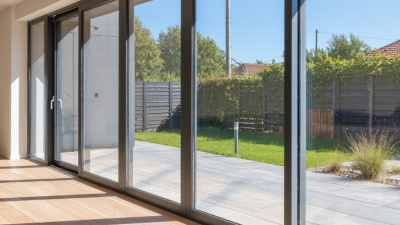
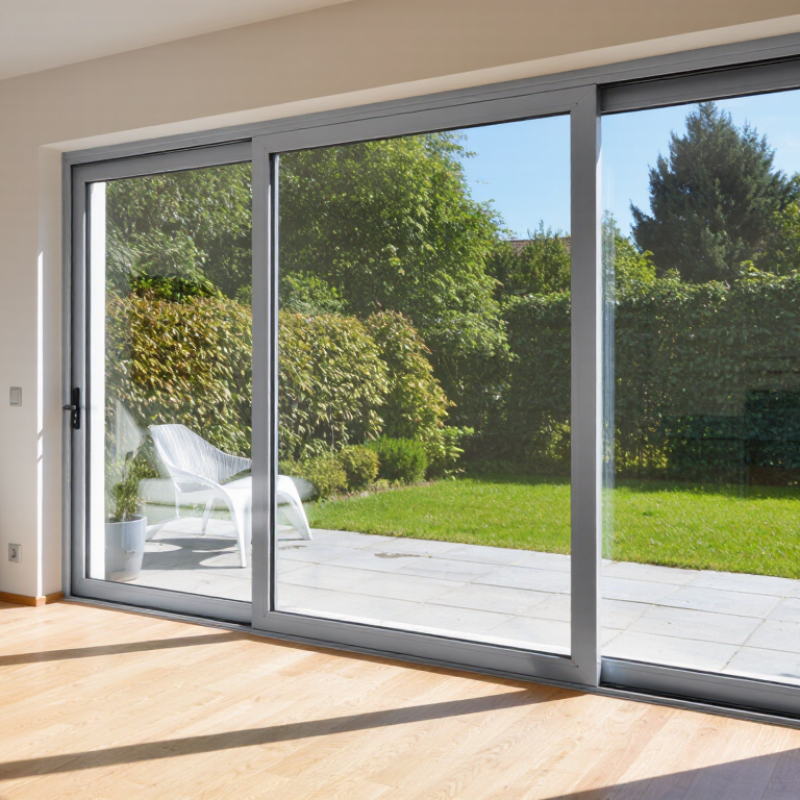
Sliding glass patio doors use one or more movable panels that travel horizontally along tracks. Most systems have rollers beneath each panel, allowing the glass to move with a light push. A fixed panel may sit beside the sliding panel, while interlocks, locks, and weather seals help close the opening. The sill also needs drainage paths to carry rainwater outside.
Glass and frame choices affect comfort as well as appearance. The U.S. Department of Energy’s Energy Saver guidance estimates that heat gain and heat loss through windows account for 25%–30% of residential heating and cooling energy use. That figure covers windows broadly, not patio doors alone, but it highlights why glazing and air sealing matter. Low-emissivity coatings and insulated glass can reduce unwanted heat transfer; performance still depends on climate and installation. Small parts matter. I would not judge a door by glass area alone: roller adjustment, track alignment, and drainage can decide whether it slides smoothly after years of use. A specification sheet cannot show every installation weakness.
Materials, Glass Options, and Performance Features of Chinese Doors
Chinese sliding patio doors are commonly specified with thermally broken aluminium, uPVC, or engineered timber frames. Aluminium supports slim sightlines, but its thermal break matters in cold weather. uPVC can insulate well, though frame reinforcement and hardware affect long-term performance. A thicker frame is not automatically better.
Glass choice changes comfort. Double glazing with a low-emissivity coating can limit heat transfer while maintaining daylight; argon filling may further improve the sealed unit’s insulation. Laminated glass can help hold fragments together if broken, while tempered glass is designed to break into smaller pieces. Ask for whole-door U-factor and solar heat gain coefficient, not glass-only figures. ENERGY STAR’s 2023 U.S. criteria set maximum U-factors from 0.30 to 0.40, depending on climate zone. Treat these as a U.S. reference, not a universal specification.
Tips: Request the test report for the exact door size and glass build-up. Check drainage slots, rollers, seals, and corner joints. Small details matter. Confirm that the supplier’s ratings come from a recognized testing or certification program; figures can vary with configuration. A practical caution: impressive glass specifications mean little if the installed frame is poorly sealed.
How to Match Door Designs to Different Climates and Buildings
Choosing a sliding glass patio door starts with the climate, not the catalogue. In sunny regions, consider glazing that limits unwanted solar heat, especially on west-facing walls. Exterior shade can help, too. In cold or windy locations, compare insulation ratings, frame design, and tested air and water performance. Coastal air brings another concern: hardware and finishes need suitable corrosion resistance. Small details matter.
The building sets its own limits. A compact apartment may benefit from a sliding panel that keeps the walkway clear, while a wide opening in an open-plan home can connect indoor and outdoor spaces. Large glass panels look appealing, but they add weight and may need stronger framing. Check the wall structure before settling on a size. A low threshold can improve access, yet it must still manage rainwater. That balance is easy to overlook.
Older buildings can have uneven openings, so measure several points rather than relying on one width. Ask an experienced installer to review drainage, sill height, and local exposure before ordering. There is no perfect specification. Even careful plans can miss a detail, and I would not treat a glass rating as a substitute for sound installation. The right match depends on the actual wall, weather, and daily use.
Safety Standards, Certifications, and Installation Requirements for Global Buyers
For global buyers, a sliding glass patio door should be assessed against the rules where it will be installed. Safety starts with the glazing: confirm whether tempered or laminated glass is required for the opening. Request current test reports for air leakage, water penetration, structural pressure, and impact resistance where relevant. Check that reports cover the exact frame size, glass build-up, hardware, and configuration being purchased. A certificate may not cover every option. Requirements differ between markets, so ask local authorities or a qualified project professional which standards apply. Verify certificate numbers and report dates with the issuing organization.
Installation can determine whether tested performance survives on site. Review written instructions for sill support, drainage paths, flashing, fastener type, and spacing. Before fixing the frame, the installer should check that the opening is square, level, and plumb. Small errors matter. Uneven shims can twist the frame, making panels bind or seals perform poorly. Use compatible sealants, and keep weep holes clear. Record concealed flashing and anchoring with photos before interior finishes hide them. A test report is not a guarantee of a perfect installation; that distinction is easy to miss when comparing quotations.
How to Evaluate Chinese Suppliers, Costs, and Long-Term Value
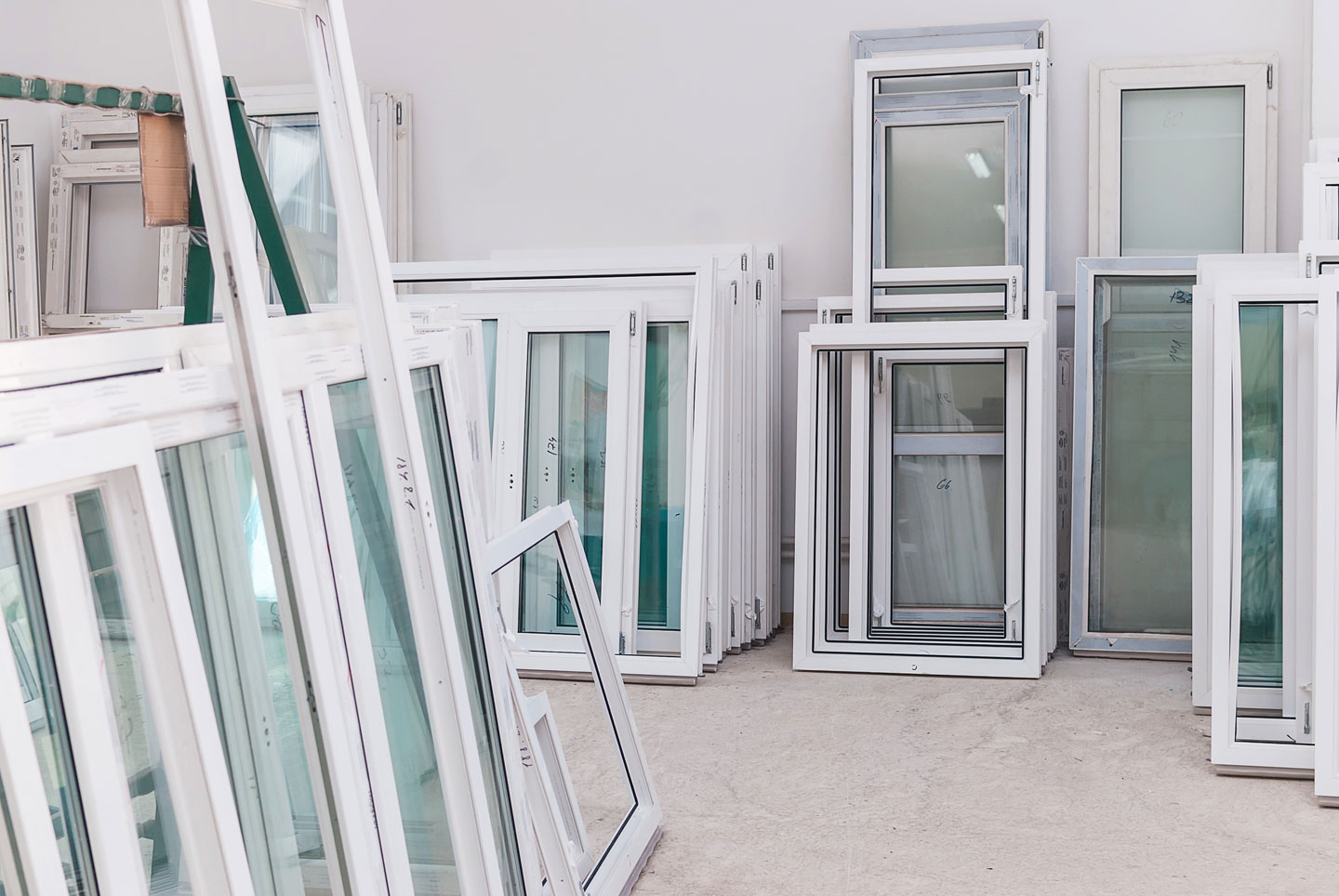
When evaluating Chinese sliding glass patio door suppliers, start with the specification, not the catalog photo. Confirm frame dimensions, glass makeup, opening direction, drainage design, and hardware grade in writing. Ask for recent production photos and performance documents that match the proposed model. A sample corner or operating unit can reveal rough rollers, uneven seals, or weak finishes. A polished catalog is not proof.
Compare the full delivered cost. Include crating, freight, insurance, customs charges, spare rollers, and local installation—not just the factory price. Request a line-by-line quotation with clear assumptions. Check whether packaging protects glass corners during handling. Ask how the supplier manages changes to drawings and delivery dates. Small details matter. A cheaper quote may exclude parts your installer expects.
Long-term value depends on use and maintenance. For a windy or coastal site, discuss corrosion-resistant hardware, drainage, and cleaning access with a qualified installer. Request written warranty terms, replacement-part availability, and response times for service questions. Check that the warranty covers the actual configuration you plan to buy. Compare the same specifications across suppliers. One weakness in this process: buyers can overfocus on headline glass ratings and overlook frame alignment or installation quality. A strong supplier should answer detailed questions clearly, while acknowledging what the product does not cover.
Related Posts
-
How to Choose Sliding Glass Patio Doors in 2026?
-
Exploring Unique Alternatives to Sliding Glass Door Replacement for Your Home
-
10 Essential Tips for a Successful Sliding Glass Door Replacement
-
Unmatched Excellence in Best Sliding Glass Door Replacement from China
-
The Ultimate Sliding Door Replacement Checklist for Homeowners to Maximize Efficiency
-

2025 Top 10 Window Door Replacement Options for Your Home Upgrade