Top 10 Tips for Choosing Doors and Windows for Your Home?
When selecting doors and windows for your home, the choices can be overwhelming. Expert Sarah Mitchell, a renowned designer in the doors windows industry, asserts, "Choosing the right doors and windows can transform your home’s aesthetic and efficiency." This statement highlights the significance of making informed decisions.
Doors and windows are not just practical elements; they shape the overall character of your living space. It's essential to consider styles, materials, and energy efficiency. An exquisite wooden door can add warmth. Meanwhile, sleek, modern windows can enhance light and space.
However, many overlook the importance of function. Budget constraints often lead to hasty choices. Homeowners might focus too much on appearance, neglecting the energy efficiency and security features of doors windows. This can result in high heating costs or security vulnerabilities. Reflecting on these aspects is crucial for a well-rounded selection.
Understanding Different Types of Doors and Windows for Your Home
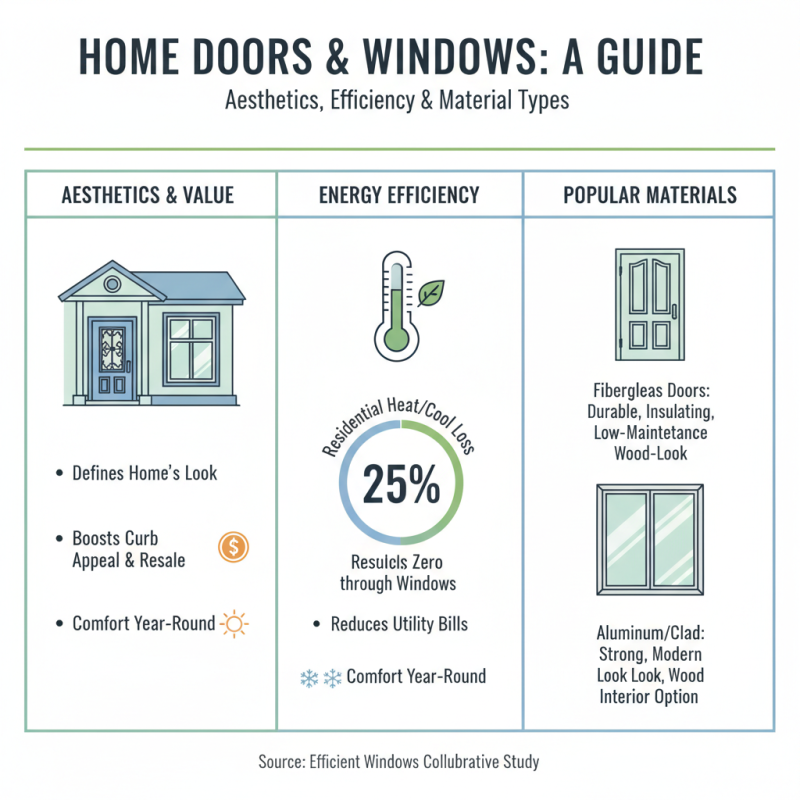
Choosing the right doors and windows is crucial for any home. They not only define the aesthetics but also enhance energy efficiency. Understanding different types can be daunting. For instance, fiberglass doors offer durability and insulation, while vinyl windows provide low maintenance. According to a study by the Efficient Windows Collaborative, windows account for up to 25% of residential heating and cooling costs. Selecting the right materials can significantly impact these expenses.
Tip 1: Consider the climate in your area. If it’s hot, opt for low-emissivity (low-E) glass. This helps to reduce heat gain.
Various styles are available. French doors add elegance. They create a seamless flow between indoors and outdoors. Sliding doors, on the other hand, save space and are easy to operate. However, some may find them less secure compared to traditional doors.
Tip 2: Think about security features. Multi-point locks and reinforced frames are essential for peace of mind.
When choosing windows, pay attention to energy ratings. A well-insulated window can reduce energy bills. A report from the U.S. Department of Energy suggests that replacing single-pane windows with energy-efficient ones can save homeowners 10 to 25% on energy bills annually.
Tip 3: Test the features. Open and close doors and windows to ensure they function smoothly. Small issues may indicate bigger problems later. Taking the time to reflect on these choices is vital for your home’s comfort and security.
Evaluating Energy Efficiency Ratings for Doors and Windows
When selecting doors and windows, energy efficiency is a vital factor. Look for the Energy Star label. This label indicates that a product meets energy efficiency guidelines. Consider products with a lower U-factor, which measures insulation effectiveness. A lower number means better energy savings. Check the solar heat gain coefficient too. It shows how well a window blocks heat from sunlight.
Tip: Don't overlook the frame material. Vinyl frames often provide better insulation than metal. They can also resist moisture. Additionally, triple-pane glass options may cut down energy loss significantly. It can be an investment, but worth it in the long term.
Consider the location of your home. Areas with extreme climates may require specific energy-efficient features. It’s important to consult professionals, but be cautious. Some may push unnecessary upgrades. Strike a balance between aesthetics and efficiency. Remember, not every energy-efficient option suits every home. Keep your specific needs in mind. Each detail counts.
Top 10 Tips for Choosing Doors and Windows for Your Home
| Tip Number |
Tip Description |
Energy Efficiency Rating |
Material Type |
| 1 |
Choose low-E glass windows to reduce UV exposure. |
Energy Star Rated |
Vinyl |
| 2 |
Opt for triple glazing for better insulation. |
U-Value: 0.2 |
Wood |
| 3 |
Check for NFRC labels that indicate energy performance. |
NFRC Certified |
Aluminum |
| 4 |
Select doors with insulated cores to minimize heat loss. |
R-Value: 5 |
Fiberglass |
| 5 |
Consider the solar heat gain coefficient (SHGC) for climate compatibility. |
SHGC: 0.25 |
Composite |
| 6 |
Assess product life cycle and environmental impact. |
Sustainable Material |
Recycled Metals |
| 7 |
Choose frames with thermal breaks for efficiency. |
High Performance |
Steel |
| 8 |
Look for tight seals to prevent air leaks. |
Air Leakage: 0.1 |
Vinyl |
| 9 |
Evaluate installation requirements for optimal performance. |
Professional Installation Recommended |
Various |
| 10 |
Inquire about warranties to ensure lasting quality. |
Warranty Available |
Composite |
Assessing Aesthetic Appeal and Architectural Style
Choosing doors and windows is more than a practical decision; it’s an opportunity to enhance your home’s aesthetic appeal. When assessing architectural style, consider the overall design of your home. A Victorian house, for example, typically features ornate designs. In contrast, a minimalist home demands sleek, simple lines. The right doors and windows should complement these characteristics.
Pay attention to materials and colors. Wooden frames can add warmth, while metal provides a modern feel. Dark shades may ground your home, while light colors offer a fresh look. You can experiment with a bold color for your front door; it can create an inviting focal point. However, make sure it aligns with your home's theme. It’s easy to overlook how these choices impact the overall vibe.
Don't forget about natural light. Large windows can bring in sunshine but may clash with a cozy aesthetic. Balance is key. A common mistake is choosing style over function. Ensure that energy efficiency is part of your criteria. A beautiful window that doesn’t insulate well can lead to higher bills. Each choice should reflect both your personal style and practicality for the best outcome.
Considering Security Features and Durability
When choosing doors and windows, security features should be a top priority. Look for products with solid materials. Metal frames can provide better security compared to wood. Double or triple glazing can deter break-ins effectively. Ensure the locks are robust and tested against forced entry.
Durability is equally important. Select weather-resistant materials that withstand the elements. Consider vinyl or fiberglass options that require less maintenance. Check for warranties, too. A good warranty often reflects the manufacturer's confidence in their products.
Feel free to ask questions. Not every product will meet your needs perfectly. Take time to research what fits your home. Are the installations secure? Will they last? Reflect on these questions before making your final decision.
Budgeting for Doors and Windows Installation and Maintenance Costs
When budgeting for door and window installation, clear numbers are crucial. Begin by determining the total amount you can afford. Remember to account for the materials you prefer. Wood, vinyl, and fiberglass each come with different price tags. Don’t underestimate the costs of hardware and finishing touches. These can sneak up on you.
Installation costs can vary widely. Hiring professionals might seem expensive but can save money in the long run. If you choose to DIY, consider your skill level. What might seem easy could turn challenging. Mistakes can inflate costs significantly. Don’t forget about maintenance costs over time. Regular upkeep for doors and windows is essential. This helps prevent issues like drafts, which can increase energy bills.
Planning ahead is essential. It's easy to overlook hidden expenses. For instance, removing old windows can add unexpected costs. Plus, permits might be required in your area. Keeping a buffer in your budget can help manage surprises. This way, you won’t find yourself in financial stress halfway through the project.
Top 10 Tips for Choosing Doors and Windows for Your Home
This chart illustrates the importance rating of various factors to consider when choosing doors and windows for your home, based on a scale of 1 to 10. Each factor contributes to the overall decision-making process, from cost to energy efficiency.