How to Choose the Best Patio Doors for Your Home?
Choosing the right patio doors for your home is crucial. According to a recent survey by the American Architectural Manufacturers Association, 70% of homeowners consider patio doors a major design feature. These doors enhance both aesthetics and functionality, influencing natural light and airflow in homes.
Expert Mark Johnson of Home Design Solutions states, “Good patio doors do more than open up a space; they connect the indoors with the outdoors.” His expertise underscores the importance of selecting the right model. With so many options available, finding the right fit can be overwhelming.
Investing in patio doors is not just about looks. Energy efficiency and security are key considerations as well. Industry data shows that energy-efficient models can lower heating costs by up to 15%. As you explore your choices, reflect on how different designs will serve your needs and complement your home's style.
Understanding Different Types of Patio Doors Available for Homes
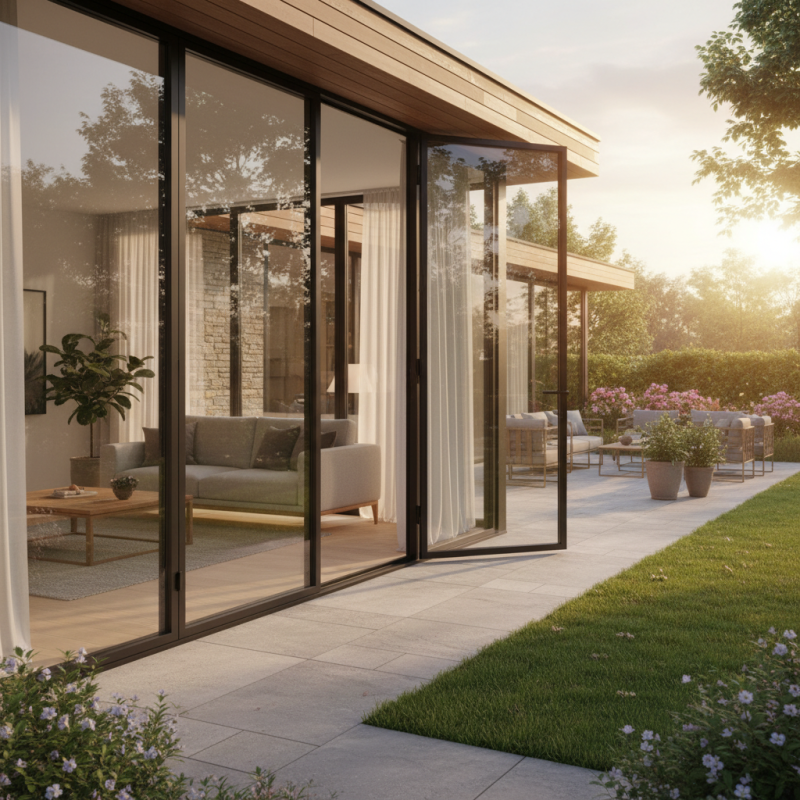
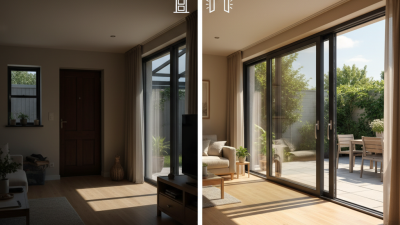
When selecting patio doors for your home, understanding the types available is crucial. Broadly, there are sliding doors, hinged French doors, and bi-fold doors. Each type has unique functionalities that cater to different needs.
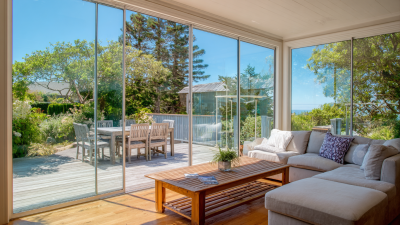
Sliding doors are popular for their space-saving design. They glide smoothly along a track, requiring minimal floor space. According to the National Association of Home Builders, sliding doors account for over 58% of patio door installations in modern homes. They often feature large glass panels, providing impressive natural light. However, the tracks can collect dirt and debris, leading to maintenance challenges.
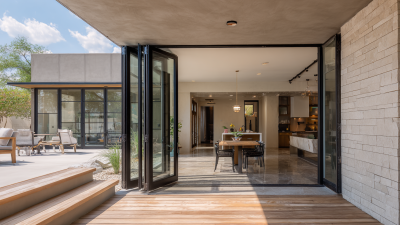
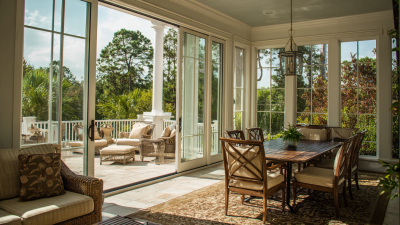
Hinged French doors offer a classic look. They swing open outward, providing a wide, unobstructed view. This type is preferred for its elegance but requires more space to operate. A report by the American Architectural Manufacturers Association notes that while French doors are timeless, they may not suit all layouts. Bi-fold doors have gained popularity, particularly in open-concept designs. They fold away to create an expansive opening, yet installation can be complex. Ensuring a proper fit and level is vital to prevent operational issues.
Choosing the right patio door involves more than aesthetics. Assessing the functionality and practicality is equally important. Each door type has strengths and weaknesses, reminding homeowners to align choices with their lifestyle and home layout.
Comparison of Different Types of Patio Doors
Evaluating Materials: Wood, Vinyl, Fiberglass, and Aluminum Options
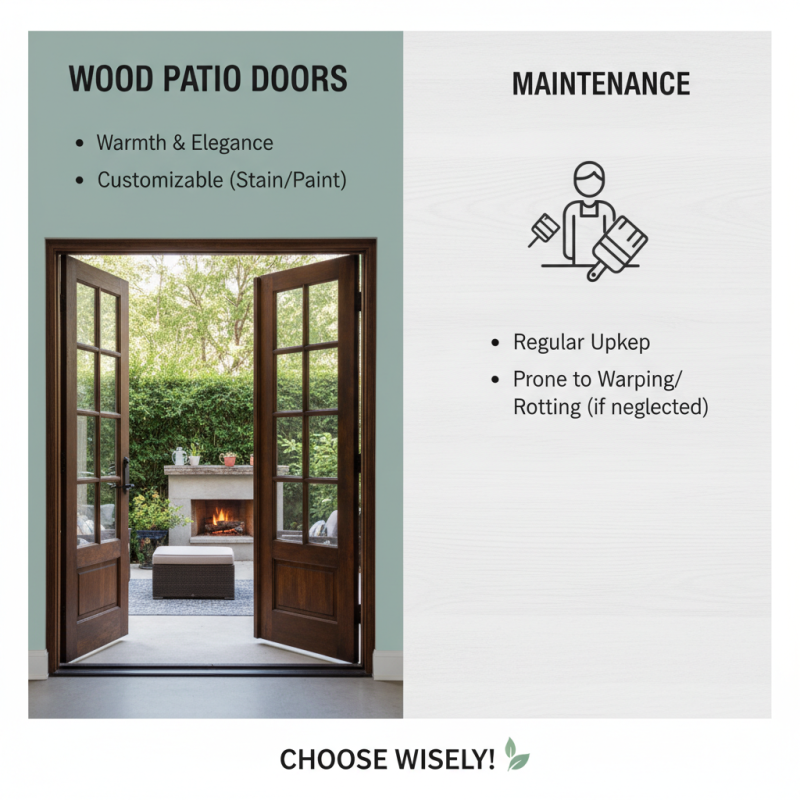
When selecting patio doors, material choice is crucial. Each option has its unique characteristics. Wood doors exude warmth and elegance. They can be stained or painted in various colors. However, wood needs regular maintenance to prevent warping or rotting. This can be a hassle for some homeowners.
Vinyl doors are durable and energy-efficient. They are often easier to maintain than wood. These doors resist fading, scratching, and cracking. Yet, the style options may be limited compared to wood. Fiberglass doors are another excellent choice. They offer excellent insulation and are resistant to harsh weather. However, they can be pricier upfront, which might affect budget decisions.
Aluminum options are lightweight and strong. They provide a modern look and require minimal upkeep. Nevertheless, they can conduct heat, which may lead to energy loss. Think about the environment where you live. Consider how much time you want to dedicate to maintenance. Your choices reflect your lifestyle and preferences. Each material has its ups and downs. This can make the decision tricky, but also exciting.
Assessing Energy Efficiency Ratings for Patio Doors
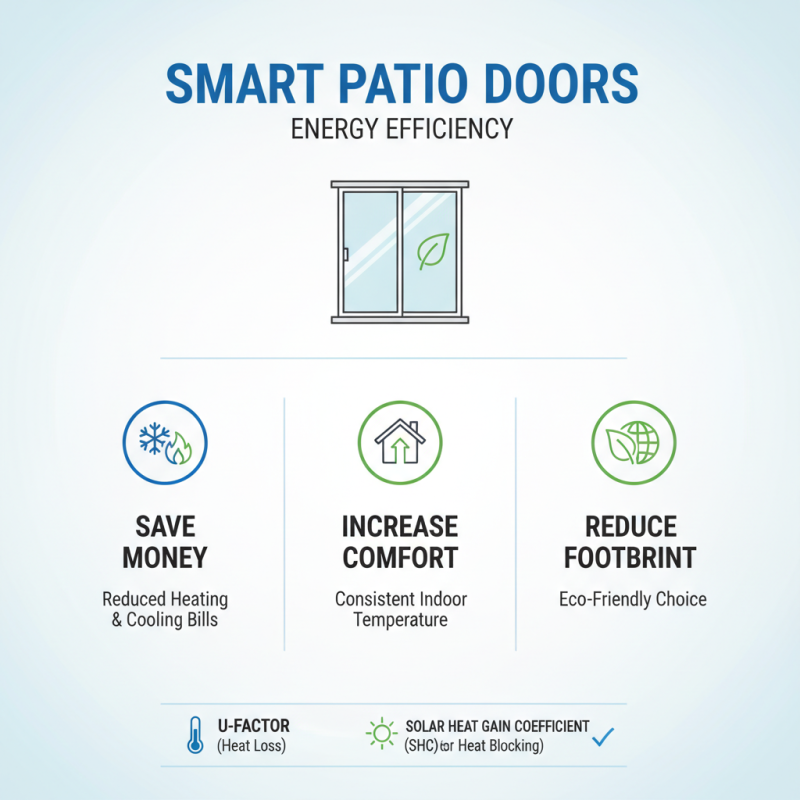
When evaluating patio doors for your home, energy efficiency ratings are crucial. Look for doors with a good U-factor and Solar Heat Gain Coefficient. Energy-efficient doors save money on heating and cooling. They also contribute to reducing your carbon footprint.
However, energy efficiency can be misleading. Some ratings may not reflect real-world performance. Always check for reputable certifications. Examine the quality of materials, like frame and glass. Poor choices can lead to drafts or condensation issues. They may even require more frequent replacements.
Consider the climate in your area, too. A door ideal for one region may not work well in another. Investing time in research can prevent costly mistakes. Sometimes, the least expensive option is not the best long-term choice. Ultimately, choose wisely to enhance your home’s comfort and efficiency.
Measuring Your Space: Key Dimensions for a Perfect Fit
When choosing patio doors, measuring your space is crucial. Start by determining the width and height of the opening. This is essential for a proper fit. Use a tape measure to get accurate dimensions. Be sure to measure at multiple points, as openings can be uneven. It’s common to find variations, so you want to capture the largest measurements.
Next, consider the placement of the door in relation to your existing structures. Take note of any obstacles, like railings or furniture. This can affect how the door swings or slides. You should also think about the height of the threshold. A low threshold is often better for ease of access. Don’t forget to measure the depth and width of the surrounding walls. These dimensions will help ensure that the door fits well and looks cohesive.
Finally, it’s wise to revisit your measurements. Double-checking can prevent costly mistakes. Remember, it’s better to take your time than to rush. An ill-fitting door can lead to security issues and energy loss. Being precise during the measuring process will pay off in the long run, enabling you to choose the best patio door for your space.
How to Choose the Best Patio Doors for Your Home? - Measuring Your Space: Key Dimensions for a Perfect Fit
| Dimension |
Recommendation |
Notes |
| Width |
72 inches / 96 inches |
Standard sizes for sliding and swinging doors. |
| Height |
80 inches |
Most common height for patio doors. |
| Rough Opening |
Additional ¼ inch on all sides |
Ensure space for installation and adjustments. |
| Threshold Height |
1 to 2 inches |
Consider for accessibility and ease of use. |
| Frame Depth |
4.5 inches |
Standard frame depth for exterior walls. |
Choosing the Right Style to Complement Your Home's Aesthetic
Choosing patio doors can significantly impact your home's overall aesthetic. When considering styles, it's essential to align with your home's architectural design. According to the American Institute of Architects, about 60% of homeowners prioritize aesthetics in their renovation projects. Opting for sliding glass doors can create a seamless indoor-outdoor flow. This design not only enhances beauty but also maximizes natural light in your home.
Another attractive option is French doors, bringing a classic touch. These doors can add character, especially in traditional or rustic homes. However, they may require more space to open fully. Homeowners should think about their space and how the doors will function. A recent survey by the National Association of Home Builders revealed that 75% of new homes feature some type of large door system to enhance curb appeal. This data showcases the importance of making informed choices.
Consider color and materials as well. A striking contrast can elevate your home’s exterior. However, that bold choice might not suit everyone’s taste. Balance between personal preference and resale value is crucial. Some homeowners overestimate their design choices, leading to costly renovations later. Reflecting on these points can guide effective decision-making.