2026 How to Choose the Best PVC Panel for Your Needs?
Choosing the right PVC Panel can be challenging. With various options available, it’s essential to understand your specific needs. PVC panels are versatile; they can be used in bathrooms, kitchens, and even outdoor spaces.
When selecting a PVC panel, consider factors like durability, design, and moisture resistance. Each project may require unique qualities. For example, you might need a panel that withstands high humidity. Not all PVC panels are created equal; some may fade or warp over time. Researching brands and reviews can provide valuable insights.
In the end, the goal is to find a PVC panel that fits your style and functionality. Remember, it’s okay to be unsure. Explore your options and reflect on what truly meets your requirements. Your project deserves the best choice.
Understanding PVC Panels: Types and Applications
When considering PVC panels, understanding their types and applications is essential. PVC panels are versatile and can be used in various spaces. Their popularity stems from their durability, water resistance, and aesthetic appeal.
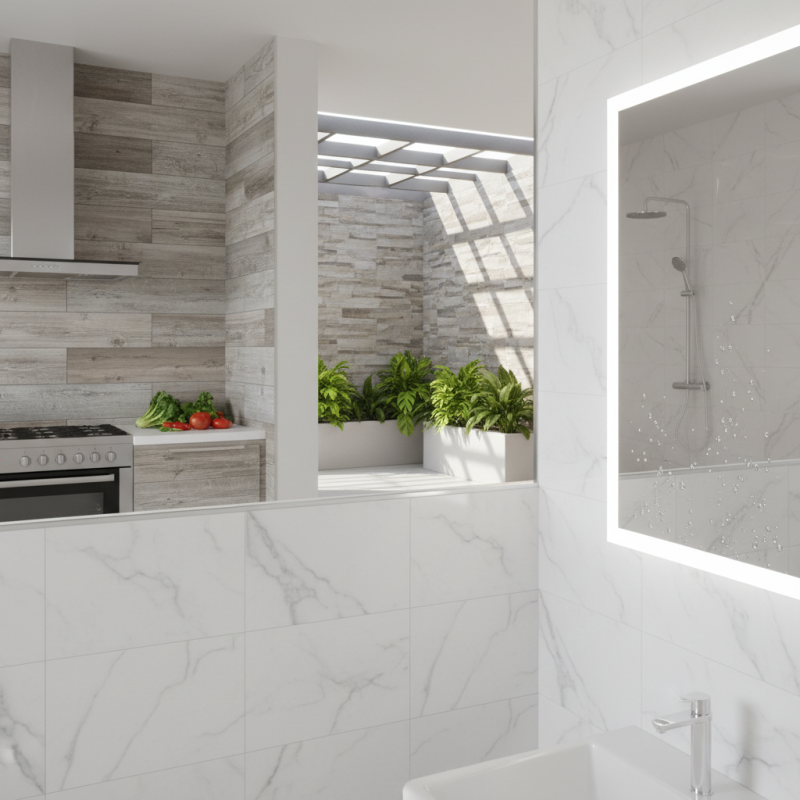
There are several types of PVC panels. For example, wall panels are great for bathrooms and kitchens. They resist moisture and offer easy maintenance. Ceiling panels can bright en any room. Some panels mimic wood or stone, providing elegant finishes without the upkeep.
Tips: Choose panels based on the room's specific needs. For wet areas, select waterproof options. For aesthetic purposes, consider color and texture that complement your decor.
Applications also vary. Depending on your project, the thickness and quality of panels matter. Lightweight panels work well for residential use, while thicker panels suit commercial applications. Think about the installation process, too. Certain types are easier to install than others, requiring less skill.
Reflection: Take time to evaluate all features. What works in one place might not fit well in another. Always measure your space before making a decision. Ensure you like the look in person. Consider how the panel fits your long-term goals.
Key Factors to Consider When Choosing PVC Panels
Choosing the right PVC panel for your project requires careful consideration of several key factors. Start with thickness. Panels range from thin to thick. Thicker panels generally offer better durability and insulation. Think about where you’ll use them. Areas with high moisture levels, like bathrooms, need panels that resist water damage effectively.
Next, consider the design and finish. PVC panels come in various colors and textures. A glossy finish might look modern, while a textured surface can add depth. The aesthetic should fit well with your home or business decor.
Another factor is ease of installation. Some panels require special tools, while others can be installed with minimal effort. If you're not handy, choose those that simplify the process.
Don't overlook the environmental impact. Some PVC panels are more eco-friendly than others. Research the source and production methods. While these details may seem minor, they are vital for making a responsible choice. Balance your aesthetic preferences with practical needs, and take the time to ask experts for advice.
Comparing Cost and Durability of Different PVC Panels
When selecting the best PVC panel, cost and durability are key factors. Costs can vary widely based on thickness and texture. Thicker panels often cost more but provide better insulation and longevity. Texture can also affect price, with smoother surfaces typically being more affordable. However, consider the trade-off between appearance and expense. A glossy finish may look appealing but might show scratches more readily.
Durability is essential for long-term use. High-quality PVC panels resist moisture and warping. Panels designed for outdoor use often feature additional UV protection. However, some cheaper options may not hold up against harsh weather. Over time, even the best panels can fade or crack under intense sunlight. Regular maintenance can help, but it requires commitment.
Understanding the balance between cost and durability is vital. Some panels may save money now but lead to higher replacement costs later. Reflect on your specific needs, whether for a home or business. Sometimes, investing in more durable panels pays off in the long run. Make choices that align with your long-term goals.
2026 How to Choose the Best PVC Panel for Your Needs? - Comparing Cost and Durability of Different PVC Panels
| Panel Type | Cost per Square Foot | Durability (Years) | Water Resistance | Fire Rating |
| Standard PVC Panel | $1.50 | 10 | Yes | Class B |
| Reinforced PVC Panel | $2.00 | 15 | Yes | Class A |
| Decorative PVC Panel | $2.50 | 12 | Yes | Class B |
| Commercial PVC Panel | $3.00 | 20 | Yes | Class A |
Installation and Maintenance Tips for PVC Panels
When considering PVC panels, installation and maintenance are key aspects. Proper installation ensures durability and efficiency. Start by preparing the surface. It should be clean and dry. This helps the panels adhere better. Use quality adhesives for a secure bond.
Tips for installation: Measure twice, cut once. This old adage saves time and materials. Ensure you have all tools ready before starting. A level helps keep panels straight. If you notice a flaw while installing, address it immediately. Fixing it later can be more complicated.
For maintenance, keep it simple. Clean regularly with mild soap and water. Avoid harsh chemicals that might damage the surface. Inspect panels periodically for signs of wear or fading. Sunlight and moisture can affect their appearance over time. If you find cracks or dents, replace the damaged panel promptly.
Remember, investing time in installation and maintenance pays off. Your PVC panels will look better and last longer. Ignoring these steps might lead to unexpected repairs down the line.
Identifying Environmental and Safety Standards for PVC Products
When selecting PVC panels, it is crucial to consider environmental and safety standards. Reports indicate that improper handling of PVC can release harmful chemicals. The European Union has set stringent regulations like REACH and RoHS to minimize risks associated with PVC products. These regulations ensure that harmful substances are restricted and safety tests are conducted before products reach consumers.
It's important to look for certifications. Panels that comply with ASTM standards or similar certifications often undergo rigorous testing. Such certifications can act as indicators of safety and environmental responsibility. However, not all manufacturers prioritize these standards, so investigating the sourcing of materials is essential.
Tips: Always check the manufacturer’s documentation. Look for product datasheets that specify compliance with recognized environmental standards. Also, pay attention to VOC emissions. Even low levels can impact air quality significantly.
Moreover, while PVC is durable, its production can have environmental downsides. Consider the lifecycle of the product from manufacturing to disposal. Improvements are being made, yet the industry still faces challenges in sustainability. Reflect on these aspects when choosing the best PVC panel for your needs.
2026 PVC Panel Environmental and Safety Standards Overview