Are Clad Wood Windows the Best Choice for Your Home?
When considering new windows for your home, Clad Wood Windows often emerge as a popular choice. They offer a unique blend of aesthetics and durability, appealing to many homeowners. But what makes them stand out?
Clad Wood Windows combine the natural beauty of wood with a protective exterior layer. This exterior typically consists of aluminum or vinyl, shielding the wood from harsh weather. This design helps reduce maintenance compared to traditional wood windows. However, potential buyers should consider both their benefits and drawbacks carefully.
Many homeowners appreciate the warmth and style that Clad Wood Windows provide. Yet, some question their long-term performance. Factors like climate and installation quality can influence their lifespan. Thus, careful consideration is essential. Balancing aesthetics and practicality is crucial. Ultimately, the choice of windows reflects your values and priorities in home design.
What Are Clad Wood Windows?
Clad wood windows combine the beauty of natural wood with the durability of modern materials. These windows feature a wooden core, which is protected by an exterior cladding, often made of aluminum or vinyl. This design aims to provide both aesthetic appeal and functional advantages. According to the U.S. Department of Energy, these windows can significantly improve energy efficiency, reducing heating and cooling costs by up to 30%.
One of the key benefits of clad wood windows is their resistance to weather elements. The protective cladding prevents rot, fading, and warping, which often affect traditional wooden windows. A report by the Window and Door Manufacturers Association highlights that homes with clad wood windows can experience a 50% decrease in maintenance needs. However, the choice of cladding materials can vary, leading to different levels of performance and aesthetics.
While clad wood windows are a popular choice, they may not suit all homes. Some homeowners might worry about the initial cost, as they are typically more expensive than standard windows. Additionally, finding a balance between style and functionality can be challenging. Future maintenance and the specific climate of the area should also be serious considerations. It may be wise to evaluate long-term needs over immediate appeal.
Advantages of Clad Wood Windows for Homeowners
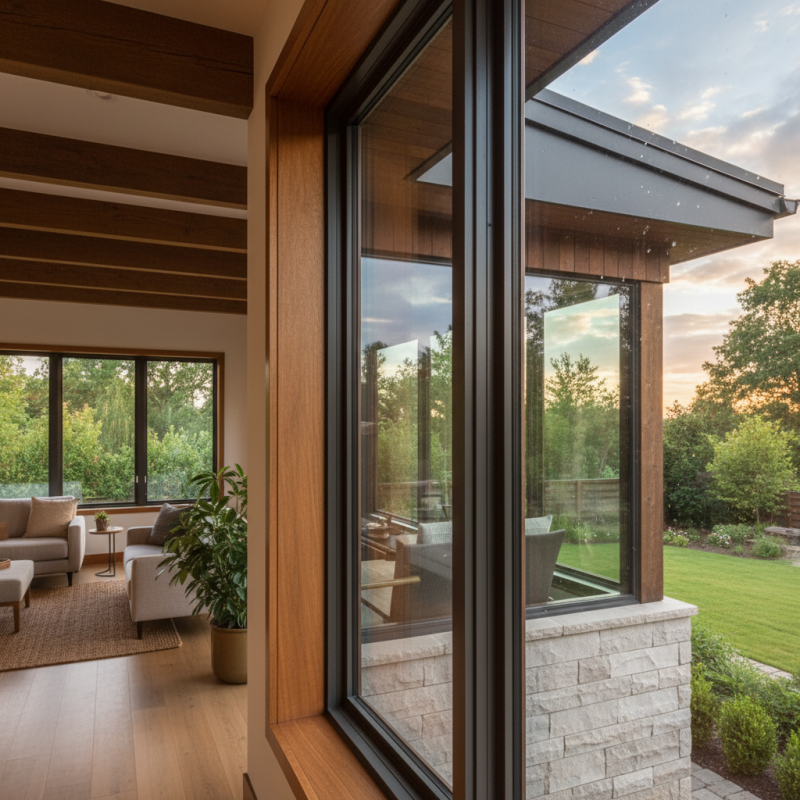
Clad wood windows offer a unique blend of aesthetics and functionality for homeowners. They provide the warmth of natural wood on the interior, creating a cozy atmosphere. On the outside, they are protected by durable materials like fiberglass or aluminum. This combination helps in managing exterior wear and tear, reducing the need for constant maintenance.
Homeowners enjoy the energy efficiency of clad wood windows. They often come equipped with modern insulation technologies, which can significantly lower heating and cooling costs. This energy-efficient feature appeals to many, especially in regions with extreme weather. However, one must consider installation costs. They vary widely based on local labor rates and window configurations.
Another advantage lies in customization. Clad wood windows can be tailored to fit any style. This means homeowners can achieve their desired look without compromising durability. However, some may question their long-term performance. Even with the best materials, the interface between wood and cladding can sometimes require monitoring. It's essential to periodically check for any signs of moisture intrusion.
Comparing Clad Wood Windows to Other Window Types
Clad wood windows combine the beauty of wood with the durability of exterior cladding. They are often favored for their energy efficiency. According to a 2022 study by the National Fenestration Rating Council, clad wood windows can reduce energy loss by up to 20% compared to traditional wooden windows. This energy savings can lead to lower heating and cooling costs.
When comparing clad wood to vinyl windows, the aesthetics differ significantly. Clad wood offers a cozy, traditional look that many homeowners prefer. On the other hand, vinyl windows often lack charm but excel in maintenance. The 2023 Consumer Reports survey found that 75% of homeowners preferred the appearance of clad wood over vinyl. Yet, it's essential to consider long-term performance. Clad wood can demand more upkeep due to potential wear on the wood beneath the cladding.
Overall, such choices should match your home's style and climate. Factors like local weather conditions might affect your decision. Clad wood windows may require refinishing over time, which some homeowners may overlook. Reflecting on these aspects can lead to a more mindful selection for your home.
Maintenance and Care for Clad Wood Windows
Clad wood windows combine the elegance of wood with the durability of vinyl or aluminum. Though they are a popular choice, they require proper maintenance to ensure longevity. Regular upkeep is crucial. The National Association of Home Builders reports that the average lifespan of properly maintained clad wood windows exceeds 20 years.
To keep these windows in optimal condition, check for signs of wear. Inspect the finish for peeling or chipping. Addressing these issues quickly can prevent water infiltration. A study by the American Wood Council states that untreated wood can decay, decreasing the lifespan of windows significantly. Cleaning them regularly is essential too. Use a soft cloth and mild soap, avoiding abrasive cleaners.
Pay attention to seals and caulking. Cracks can lead to energy loss, increasing heating and cooling costs. The U.S. Department of Energy indicates that well-maintained windows can improve energy efficiency by up to 15%. Consider repainting or re-staining the wood components every few years. This not only enhances appearance but also protects against elements. Neglect can lead to costly repairs or replacements.
Factors to Consider When Choosing Clad Wood Windows
Choosing clad wood windows for your home involves several crucial factors. One key consideration is their insulation efficiency. According to the Department of Energy, windows account for 25-30% of residential heating and cooling energy use. Clad wood windows typically feature a wood core, providing natural insulation. In many cases, they can outperform vinyl windows in energy efficiency.
Durability is another important aspect. Clad wood windows have an exterior layer, usually aluminum or vinyl. This feature protects against weather damage and UV rays. Studies show that well-maintained clad wood windows can last over 30 years. However, the initial cost may be higher than traditional materials. It's essential to weigh this against long-term savings on utility bills.
Aesthetic options also matter. Clad wood windows are versatile, available in various colors and finishes. They can enhance your home's curb appeal significantly. However, the availability of style options may vary by manufacturer. Ensuring that your selected style aligns with your home’s architecture can be a challenge. It's critical to research your options thoroughly to make an informed decision.