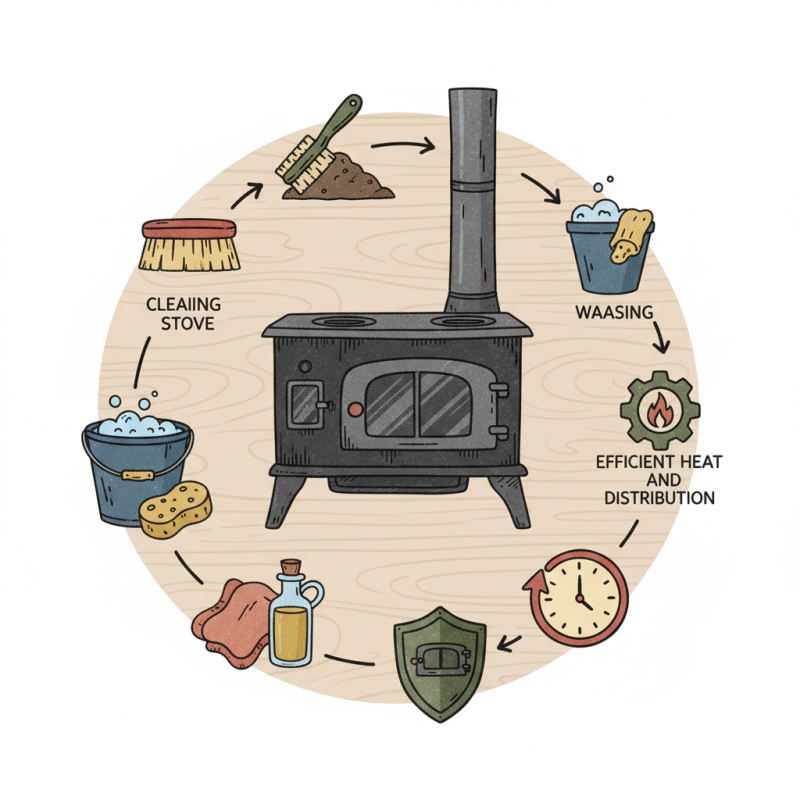
How to Clean and Maintain a Cast Iron Stove for Longevity?
A cast iron stove is a remarkable addition to any kitchen. It offers durability, efficiency, and a unique style. However, many overlook the importance of proper care. Without regular maintenance, these stoves can lose their charm and functionality.
Cleaning a cast iron stove is not just about aesthetics; it's essential for its performance. Years of accumulated grease and grime can hinder heat distribution. The build-up can also affect the stove's lifespan. A well-maintained stove can provide excellent cooking experiences. Yet, neglect can lead to rust and deterioration.
To ensure your cast iron stove lasts for generations, focus on regular upkeep. This includes proper cleaning methods and protective treatments. Learning how to care for your appliance effectively speaks to your commitment to quality. Remember, a little effort goes a long way in preserving your cast iron stove.
Understanding the Importance of Regular Cleaning for Cast Iron Stoves
Cleaning and maintaining a cast iron stove is essential for its longevity. Regular cleaning prevents rust and build-up that can affect both appearance and performance. According to industry studies, neglecting maintenance can reduce a stove's lifespan by up to 50%. A clean stove not only looks better but also cooks more efficiently.
To keep your cast iron stove in top condition, it’s crucial to use the right cleaning method. Avoid abrasive cleaners that can damage the surface. Instead, use a mix of water and mild detergent. Steam cleaning can also be effective. After cleaning, ensure the stove is thoroughly dried to prevent corrosion.
Tips: After every use, wipe down the stove with a damp cloth. This simple step can make a significant difference. Additionally, consider seasoning your stove regularly to maintain its non-stick surface. A well-maintained stove can improve heat distribution and enhance cooking results. Ignoring these practices may lead to regret later on.
How to Clean and Maintain a Cast Iron Stove for Longevity?
| Cleaning Method | Frequency | Tools Required | Tips |
| Wipe Down with Cloth | After Each Use | Soft Cloth | Use a dry cloth to remove excess grease and food residue. |
| Scrub with a Brush | Weekly | Stiff Brush, Salt | Use salt as an abrasive to help remove stubborn residues. |
| Seasoning | Every 2-3 Months | Oil, Paper Towel | Apply a thin layer of oil and bake to maintain non-stick surface. |
| Deep Cleaning | As Needed | Vinegar, Water, Baking Soda | Use vinegar solution for rust; follow with baking soda to neutralize. |
| Avoiding Soaking | Always | N/A | Never soak in water to prevent rust. |
Essential Materials and Tools for Effective Cast Iron Stove Maintenance
Cleaning and maintaining a cast iron stove requires specific materials and tools. Start with a stiff brush. This helps remove stuck debris. Use a scraper for stubborn residue. A clean, dry cloth is essential for drying your stove after cleaning.
Tips: Always dry your stove immediately after washing. This prevents rust. Applying a light layer of cooking oil can help maintain its finish.
Another helpful tool is a gentle abrasive cleaner. This can help in restoring the stove's surface without causing damage. Avoid harsh chemicals that could corrode the iron. Keep a small bucket of warm, soapy water nearby for easier cleanup.
Reflect on your maintenance routine regularly. Are you using the right tools? Is your cleaning method effective? These questions can help improve your stove care. Remember, every stove is unique, and your approach may need adjustments over time.
Cast Iron Stove Maintenance Frequency
Step-by-Step Guide to Cleaning a Cast Iron Stove Properly
Cleaning a cast iron stove requires careful attention. Begin by ensuring the stove is cool. Remove any cookware and debris from the stovetop. A simple brush can help eliminate crumbs. For stubborn spots, use a damp cloth. Avoid soaking the stove; cast iron should not be exposed to too much moisture.
Next, mix a paste of baking soda and water for tough stains. Apply this gently, using a soft sponge. Rinse the sponge frequently to avoid spreading grime. Sometimes, the paste may not fully remove the stains. If that happens, breath deeply; it’s a learning process. Remember, overuse of cleaners can damage the surface.
After cleaning, dry the stove thoroughly. Use a cloth to wipe down all surfaces. If you notice any rust spots, treat them immediately. After drying, apply a thin layer of oil to protect the cast iron. This step is crucial for longevity. Skipping it can lead to rust. The stove requires regular care, but sometimes, you might overlook it. Reflect on your routine, and make small adjustments. Regular attention now will ensure a beautiful and lasting cast iron stove.
Best Practices for Seasoning a Cast Iron Stove to Prevent Rust
Seasoning a cast iron stove is essential to prevent rust and ensure longevity. This process creates a protective layer on the surface. A well-seasoned stove can last generations, with studies showing that proper care can extend its life by up to 50%. To season your stove, start with thorough cleaning. Remove any old seasoning and debris. Hot water and a stiff brush work well.
After cleaning, dry the stove completely. Apply a thin layer of vegetable oil to the surface. This oil forms a polymerized layer when heated. Heating the stove for about an hour at 375°F allows the oil to bond effectively. It's crucial to avoid too much oil. A thick layer can result in stickiness rather than a smooth finish. Interestingly, many users apply seasoning every few months, but too much can lead to the opposite effect.
Regular maintenance is key. Even seasoned stoves can develop rust if not cared for properly. Storing the stove in a dry place is vital. Monitor for any signs of rust. If rust appears, it needs immediate attention. Scrape it off, clean, and re-season promptly. While cast iron is durable, it requires consistent care to maintain its quality.
Common Mistakes to Avoid When Caring for Cast Iron Stoves
When caring for a cast iron stove, avoiding common mistakes is crucial. One prevalent error is using soap to clean it. Soap can strip the natural seasoning that protects the stove. Instead, opt for hot water and a stiff brush. Scrub off any residue gently. Use minimal water to prevent rust.
Another mistake is neglecting to dry the stove thoroughly. After cleaning, it’s essential to wipe it down completely. Leaving moisture can lead to unsightly rust spots. A light coating of oil can help maintain the surface and enhance seasoning.
Failing to regularly evaluate the seasoning layer is also a common oversight. If you notice food sticking, it may be time to re-season. Re-seasoning involves cleaning the stove, applying oil, and heating it. This process can restore its non-stick qualities. Remember, even experienced users can overlook these details. Regular reflection on your routine can lead to significant improvements in maintaining your cast iron stove's longevity.