What is Replacement Glazing and Why Should You Consider It?
Replacement glazing is an innovative solution for homeowners looking to enhance energy efficiency. According to a report by the Glass and Glazing Federation, homes can lose up to 25% of heat through old windows. This means that not only is comfort affected, but energy bills might rise significantly. By opting for replacement glazing, homeowners can potentially cut energy costs by 10-25%.
The aesthetics of a home are equally important. Replacement glazing offers modern design options that can boost curb appeal. Industry studies show that homes with updated windows can increase in value, improving sale prospects. However, it's crucial to consider the quality of materials and installation. Bad choices can lead to leaks or condensation issues. Such flaws may diminish the very benefits intended.
Investing in replacement glazing is about creating long-term value. Yet, it's essential to reflect on the reliability of contractors. Choosing the right service provider can make all the difference in installation success. Homeowners should weigh options carefully, balancing immediate costs against future savings.
What is Replacement Glazing?
Replacement glazing refers to the process of replacing old or damaged window panes with new, energy-efficient ones. This practice not only enhances the aesthetic appeal of your home but also significantly improves energy efficiency. According to the Energy Saving Trust, proper glazing can reduce heat loss by up to 30%. This means lower energy bills and a more comfortable environment throughout the year.
When considering replacement glazing, several factors come into play. Single-pane windows are less effective in insulation compared to double or triple-glazed alternatives. Statistics show that homes with double glazing can achieve better thermal performance, reducing heating costs by 10-15%. However, not every window needs replacing; sometimes, repairs suffice. It's essential to assess the overall condition of your windows before committing to replacement.
Tips: Ensure you choose the right type of glass for your specific environment. Consider Low-E glass if you live in a sunny area. Think about installation costs as well. While it might seem expensive, the long-term savings on energy bills can be substantial. Also, always consult professionals to determine the best options for your home. Sometimes, the DIY approach can lead to mistakes that might require costly fixes later.
Benefits of Replacement Glazing for Homeowners
Replacement glazing is an effective way to enhance your home. It involves replacing old, single-pane windows with new, energy-efficient ones. This upgrade can make a substantial difference in comfort and cost savings.
One major benefit is improved insulation. Modern glazing helps maintain a consistent indoor temperature. You will notice fewer drafts and reduced noise from outside. This creates a more peaceful living environment. Furthermore, homes with efficient windows often see lower energy bills. Over time, these savings can add up significantly.
Another aspect to consider is aesthetic appeal. Replacement glazing can boost your home’s appearance. Fresh, clear glass enhances curb appeal. Yet, some may hesitate due to upfront costs. It’s crucial to weigh the long-term benefits against the initial investment. Reflecting on these points can help homeowners make informed decisions about their living spaces.
Different Types of Replacement Glazing Options Available
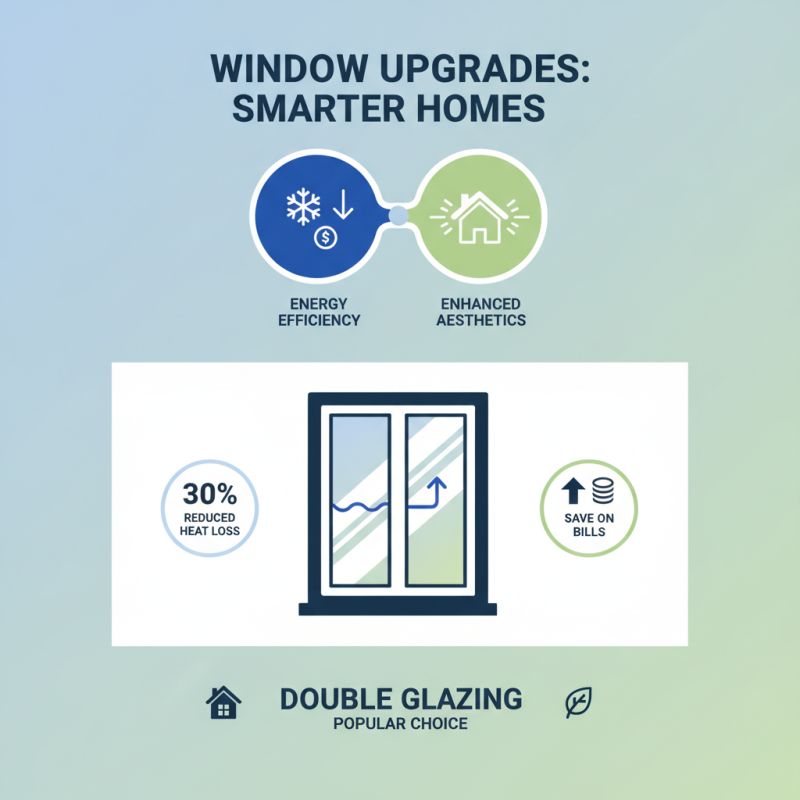
Replacement glazing can significantly enhance a property's energy efficiency and aesthetic appeal. Several options are available for homeowners looking to upgrade their windows. Double glazing remains a popular choice, providing a layer of insulation that can reduce heat loss by up to 30%. This can lead to substantial savings on energy bills.
Triple glazing is another option. This system involves three panes of glass, which can increase thermal efficiency further. Reports indicate that triple glazing can reduce heat loss by as much as 50% compared to single-pane windows. However, it comes with higher installation costs and may not be suitable for every home.
Secondary glazing offers a cost-effective alternative. This involves adding a second layer of glass to existing windows. It is particularly useful in older buildings where maintaining the original look is crucial. A recent study revealed that secondary glazing can improve energy efficiency by up to 60%. Nonetheless, it might not achieve the same levels of insulation as double or triple glazing. Each option comes with its own set of advantages and limitations, necessitating careful consideration based on specific needs and preferences.
How to Choose the Right Replacement Glazing for Your Needs
Replacement glazing can significantly enhance your home's energy efficiency. When selecting the right option, consider several factors. The type of glass you choose impacts insulation and durability. Double glazing is a popular choice, as it reduces heat loss by 50% compared to single glazing.
Look at the energy rating of the glass. Products with a higher rating help lower heating bills. According to recent industry reports, upgrading to modern glazing can save homeowners up to 20% on energy costs. Pay attention to the frame material as well. Wooden frames provide charm but may require more maintenance. Aluminum or uPVC options are low-maintenance and can offer better insulation.
Tip: Always check for certification marks when selecting glazing products. These marks ensure quality and safety standards are met. It's crucial to hire a qualified professional for installation. A poorly installed window can lead to drafts and moisture issues. Balancing aesthetics with function can be challenging. Take your time to research and compare different options. Remember, the right glazing is an investment in your home's future.
The Installation Process of Replacement Glazing Explained
The installation process of replacement glazing is a critical step in improving energy efficiency in homes. Studies show that windows can account for up to 30% of a household's heating and cooling costs. Thus, properly installing new glazing can lead to significant savings on energy bills. The whole process usually begins with assessment. A professional inspects existing windows to determine what needs replacement.
The next stage involves selecting the right type of glazing. Double or triple glazing is common, providing better insulation than single-paned options. Measurements are crucial during this phase. Inaccurate measurements can lead to poor fits, resulting in drafts or moisture problems. This is where attention to detail matters. After that, old windows are removed, often revealing hidden issues like rot or mold. These must be addressed before new glazing gets installed.
Once everything is prepared, the new glazing is fitted into place. Proper sealing is essential to prevent air leaks. This is a step that may seem minor but can have significant effects on long-term performance. A poorly sealed window can negate energy savings. Every step matters, as improper installation can lead to costly repairs later on. Users often overlook these details. Investing time in the installation process pays off in the long run.