2025 Top Sliding Door Replacement Tips for Homeowners to Save Money
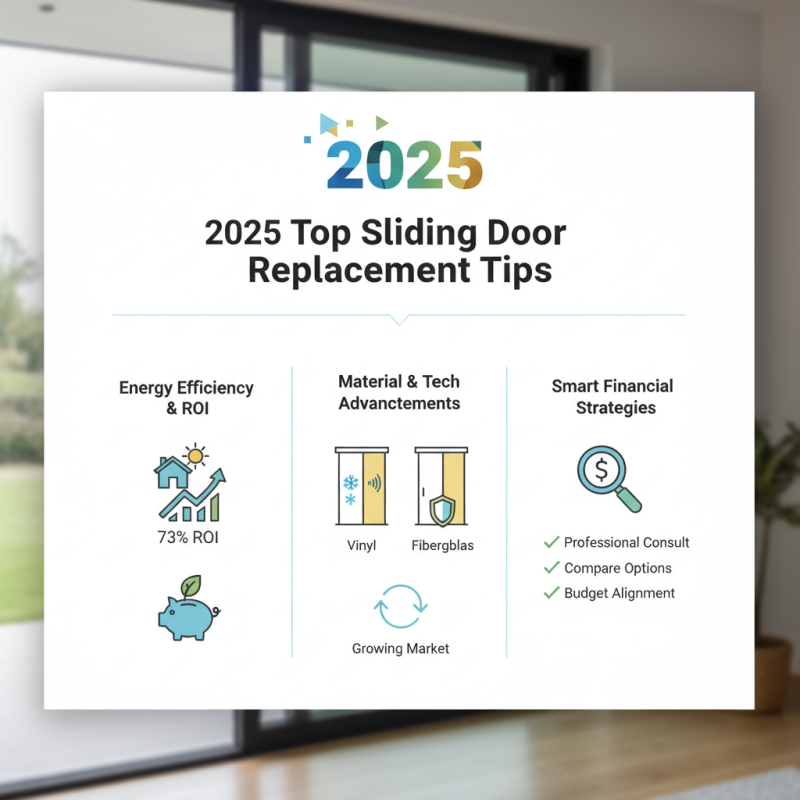
In recent years, homeowners have increasingly recognized the importance of energy efficiency and aesthetic appeal when it comes to home renovations, particularly in sliding door replacement. According to a report by the National Association of Realtors, replacing a set of sliding doors can yield a return on investment of up to 73% when selling your home, making it a smart financial decision. Industry expert John Smith, a leading consultant in home improvement strategies, emphasizes that "investing in high-quality sliding door replacements not only enhances the visual appeal of your home but also significantly reduces your energy expenses."
As we approach 2025, the market for sliding door replacement continues to grow, driven by advancements in materials and technology that allow for better insulation and durability. Homeowners are now more informed than ever about the advantages of different sliding door options, from vinyl to fiberglass, leading to a more competitive marketplace. The choice of replacement doors can drastically impact home value and energy consumption, setting the stage for a lucrative home investment.
This article aims to explore the top tips for homeowners looking to replace their sliding doors while keeping costs manageable. By leveraging professional insights and industry data, we will provide strategies to help you navigate this increasingly sophisticated market, ensuring that your sliding door replacement not only meets your design preferences but also aligns with your budgetary goals.
Top Benefits of Sliding Door Replacement for Homeowners
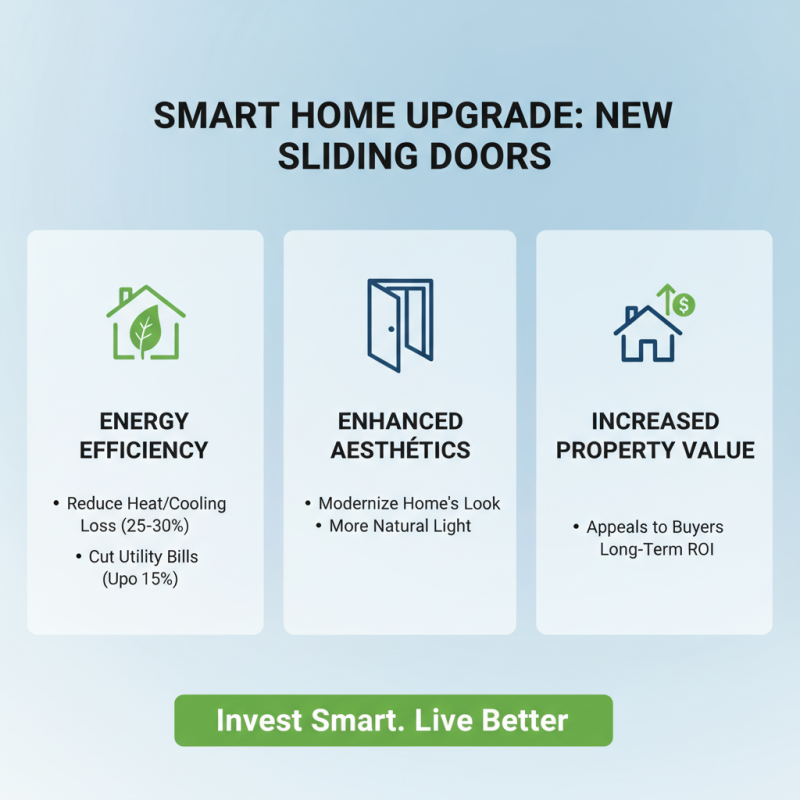
Replacing sliding doors can yield numerous benefits for homeowners, particularly in the realms of energy efficiency, aesthetics, and property value. According to the U.S. Department of Energy, approximately 25-30% of a home's heating and cooling energy can be lost through windows and doors. By investing in modern, energy-efficient sliding doors, homeowners can reduce these energy losses significantly. Many new models feature advanced insulation and low-E glass, which can diminish utility bills by up to 15%, resulting in substantial long-term savings.
In addition to energy savings, new sliding doors can enhance the overall aesthetic appeal of a home. A National Association of Realtors report indicates that a well-executed door replacement can recoup about 75% of its cost when homeowners sell their properties. Attractive and functional sliding doors improve curb appeal, allowing natural light to filter in while providing easy access to outdoor spaces. Homeowners can also choose from a variety of styles and materials, ensuring that their new doors complement their existing decor while elevating their home's overall charm.
Identifying Signs That Indicate It's Time to Replace Your Sliding Door
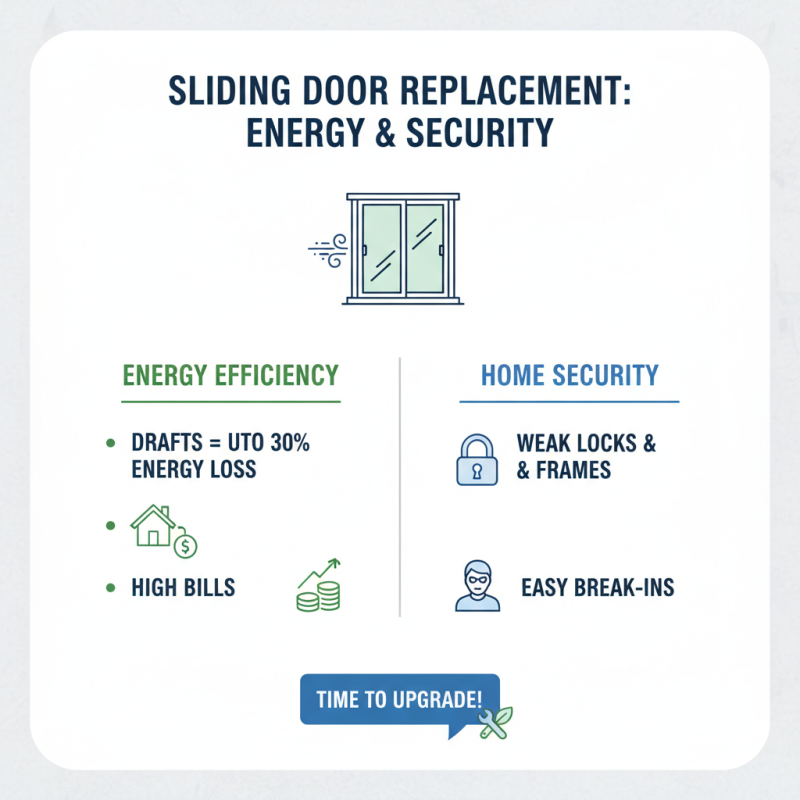
When it comes to maintaining your home, the sliding door may often be overlooked, yet it plays a crucial role in both energy efficiency and security. One of the primary signs that indicate it's time to replace your sliding door is the presence of significant drafts. According to a report by the U.S. Department of Energy, outdated doors can lead to energy losses of up to 30%, which can significantly increase your heating and cooling bills, placing a financial burden on homeowners.
Another critical sign is difficulty in operation. If your sliding door sticks or is hard to open, it may indicate wear and tear on the rollers or frame, which can compromise the door’s functionality and safety. The National Association of Home Builders suggests that homeowners should inspect their sliding doors at least once a year for signs of sagging or misalignment. Additionally, if you notice visible cracks or damage in the glass, this not only affects aesthetic appeal but also poses a safety risk, making it essential to consider a replacement. Addressing these issues promptly can save homeowners both energy costs and potential repair expenses in the long run.
Cost-Saving Strategies for Selecting the Right Sliding Door
When it comes to selecting the right sliding door for your home, cost-saving strategies can significantly impact your overall renovation budget. According to a 2022 report by the Remodeling Industry Association, homeowners can save up to 30% on their sliding door replacements by opting for energy-efficient models. These doors often come with improved insulation, which can reduce heating and cooling costs, resulting in long-lasting savings over time.
Additionally, sourcing materials wisely can further enhance your budgetary strategy. The National Association of Home Builders suggests that choosing local manufacturers can cut transportation costs and reduce your carbon footprint. Furthermore, exploring options such as vinyl or fiberglass can also save money upfront compared to wood, without sacrificing durability or aesthetic appeal. By carefully considering your sliding door selection and focusing on efficiency and local sourcing, you can ensure a smart investment for your home improvement project.
Step-by-Step Guide to Measuring Your Space for a New Sliding Door
When considering a new sliding door for your home, precise measurement is crucial to ensure a perfect fit and avoid costly mistakes.
Begin by measuring the height and width of the existing door frame. Use a reliable level to check that the space is even, noting any deviations that may require adjustments
in your new sliding door installation. Additionally, measure the depth of the door frame to ensure your new door can accommodate the required hardware and functionality.
Next, consider the type of sliding door you want, whether it is a traditional glass model or a more modern design.
Take into account any obstructions such as handles, molding, or furniture that may impact the operation of your sliding door. Be thorough in your measurements,
including the space between the door and the floor or ceiling, as this will affect both the aesthetic and effectiveness of your new door.
By carefully measuring and planning your space, you can confidently choose a sliding door that enhances your home while saving money on a potentially expensive installation.
DIY vs. Professional Installation: Which Is More Cost-Effective?
When considering the installation of sliding doors, homeowners often face the dilemma of choosing between DIY and professional installation, both of which come with distinct cost implications.
DIY installation might seem like an attractive option for those looking to save money. It allows for greater flexibility in scheduling and can significantly reduce labor costs. However, this path requires a certain level of skill and tools, which not all homeowners may possess. Mistakes during installation can lead to costly repairs down the line, potentially erasing any initial savings.
On the other hand, hiring professional installers typically incurs higher upfront costs due to labor fees. However, this choice often guarantees a smoother installation process and a higher-quality finish. Professionals come equipped with the necessary tools and experience to handle unforeseen challenges efficiently. They also usually offer warranties for their work, adding an extra layer of protection for your investment. Therefore, while DIY might save money in the short term, the assurance of quality and durability from professional installation often proves to be more cost-effective in the long run.