


What Are the Top Types of Container Units?
A Container Unit may look like a simple steel box, but its design affects what it can carry, how it is handled, and where it can go. Standard dry containers suit many packaged goods, while high-cube models add vertical space for taller or bulky cargo. Refrigerated units maintain controlled temperatures, though they also need a reliable power supply and careful monitoring. Small details matter.
Other designs solve more specific loading problems. Open-top containers allow cargo to be loaded from above, while flat racks accommodate oversized items that cannot fit inside enclosed walls. Side-opening units can make access easier for long or awkward loads. Tank containers are built for liquid cargo and require attention to their fittings, capacity, and operating condition.
The right choice depends on the cargo’s dimensions, weight, handling needs, and route—not just the listed container type. Equipment condition matters too. A sound-looking exterior does not tell the whole story, so checking doors, seals, floors, and refrigeration records can prevent costly surprises. Specifications and availability may differ by supplier, so confirm details before booking. This guide compares the top types of container units, explains their practical uses, and highlights the trade-offs worth considering. No single design fits every shipment. Even a clear checklist can miss an awkward constraint, such as limited loading access at the destination. That is worth checking early.
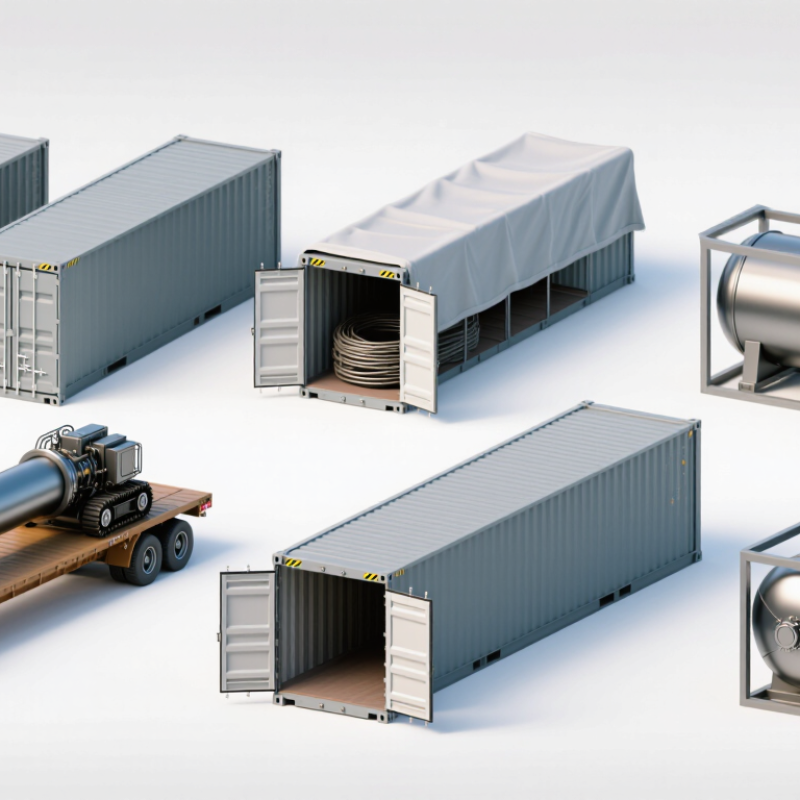
Standard Dry Containers for General Cargo
Standard dry containers are enclosed units designed for general cargo that does not need temperature control. Common options include 20-foot and 40-foot containers, though exact internal dimensions vary by design. They carry cartons, furniture, packaged materials, and many types of machinery. The doors open at one end, while a sturdy floor supports properly distributed loads. Simple, but not foolproof.
Before loading, check that the interior is clean, dry, and free of visible damage. Moisture can collect on container walls when temperatures change, potentially dampening cartons or fabric. Keep goods off wet surfaces and use suitable protective packaging. Place heavier items low and spread weight evenly across the floor. One easy mistake is focusing only on fitting everything inside; access for unloading matters, too. A tightly packed container can make the last items awkward to reach.
Tips: Confirm the container’s usable dimensions against your cargo measurements, not just its listed size. Leave a clear path to the doors when practical, and secure items against shifting during transit. These checks take a little time. They can prevent avoidable damage, though they cannot eliminate every risk.
What Are the Top Types of Container Units? - Standard Dry Containers for General Cargo
| Container Type | External Dimensions (L × W × H) | Approx. Internal Dimensions (L × W × H) | Approx. Capacity | Typical Maximum Gross Weight | Common Uses |
|---|---|---|---|---|---|
| 20-foot standard dry | 6.06 × 2.44 × 2.59 m | 5.90 × 2.35 × 2.39 m | About 33 m³ | Up to 30,480 kg | Dense or heavy general cargo, such as machinery, packaged materials, and palletized goods. |
| 40-foot standard dry | 12.19 × 2.44 × 2.59 m | 12.03 × 2.35 × 2.39 m | About 67–68 m³ | Up to 30,480 kg | High-volume general cargo, including cartons, furniture, and consumer goods. |
| 40-foot high-cube dry | 12.19 × 2.44 × 2.90 m | 12.03 × 2.35 × 2.69 m | About 76 m³ | Up to 30,480 kg | Bulky or lightweight cargo that benefits from extra interior height, such as furniture and large cartons. |
Dimensions and weight limits are typical approximate values. Actual internal measurements, tare weight, payload, and maximum gross weight vary by container design and the rating shown on its data plate. Cargo must remain within applicable road, rail, and shipping limits.
FAQS
It carries general cargo that does not need temperature control. Common sizes include 20-foot and 40-foot units, but internal dimensions vary. Cartons, furniture, packaged materials, and machinery may fit. Simple, but not foolproof.
Make sure the interior is clean, dry, and free of visible damage. Temperature changes can cause moisture to collect on the walls. Keep cartons and fabric away from wet surfaces, and use suitable protective packaging.
Place heavier items low and spread weight evenly across the floor. Secure goods so they do not shift during transit. Leave room to reach the doors when practical. I still find unloading access easy to overlook.
Internal dimensions vary by design, so compare usable measurements with your cargo. Include packaging and supports in your measurements. A listed size alone may not reveal whether everything will fit.
Its removable roof or tarpaulin lets cranes lower tall or bulky cargo from above. It may suit machinery with lifting points or a timber bundle near the usual height limit. Check weather protection, too.
Open sides and ends allow loading from the side or above. Flat racks can carry wide equipment, vehicles, and heavy components. Secure, balanced lashing matters.
Measure the cargo, including supports and lashing points. Confirm payload, clearances, and handling equipment with the carrier. Check permitted dimensions along the entire route. A load may fit the deck but still exceed a route limit.
No. Port handling, vessel capacity, weather, and final packing plans can affect the shipment. I’d recheck measurements before loading, even when it feels tedious. It cannot remove every risk.