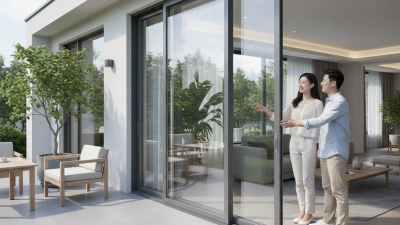
Top 10 Windows and Patio Doors for Global Buyers
Choosing windows and patio doors is not just a style decision. It can affect comfort, daylight, energy use, and how a home handles wind and rain. The U.S. Department of Energy’s Energy Saver guidance estimates that heat gain and heat loss through windows account for 25–30% of residential heating and cooling energy use. That figure offers useful context, not a promise of savings: results depend on climate, installation quality, and the whole building.
Global buyers also face different priorities. A glazed door suited to a mild coastal home may be a poor fit for a hot, sunny region or a cold, windy site. Frame material, glass coatings, air leakage, water resistance, security hardware, and replacement-part access all deserve attention. The National Fenestration Rating Council’s rating system helps buyers compare tested energy performance, but one rating alone cannot identify the best product for every location.
This guide to the top 10 windows and patio doors for global buyers focuses on practical comparisons, including operation, glazing options, durability, and support after purchase. Look for specifications that match the project, and confirm local performance requirements with qualified professionals. Details matter.
A top-ranked product is not automatically the right one. Product availability, installation standards, and warranty coverage vary by market. Some comparisons will remain imperfect, because manufacturers do not always publish identical test data. Treat the shortlist as a starting point, then verify the details before ordering.
How Windows and Patio Doors Are Classified
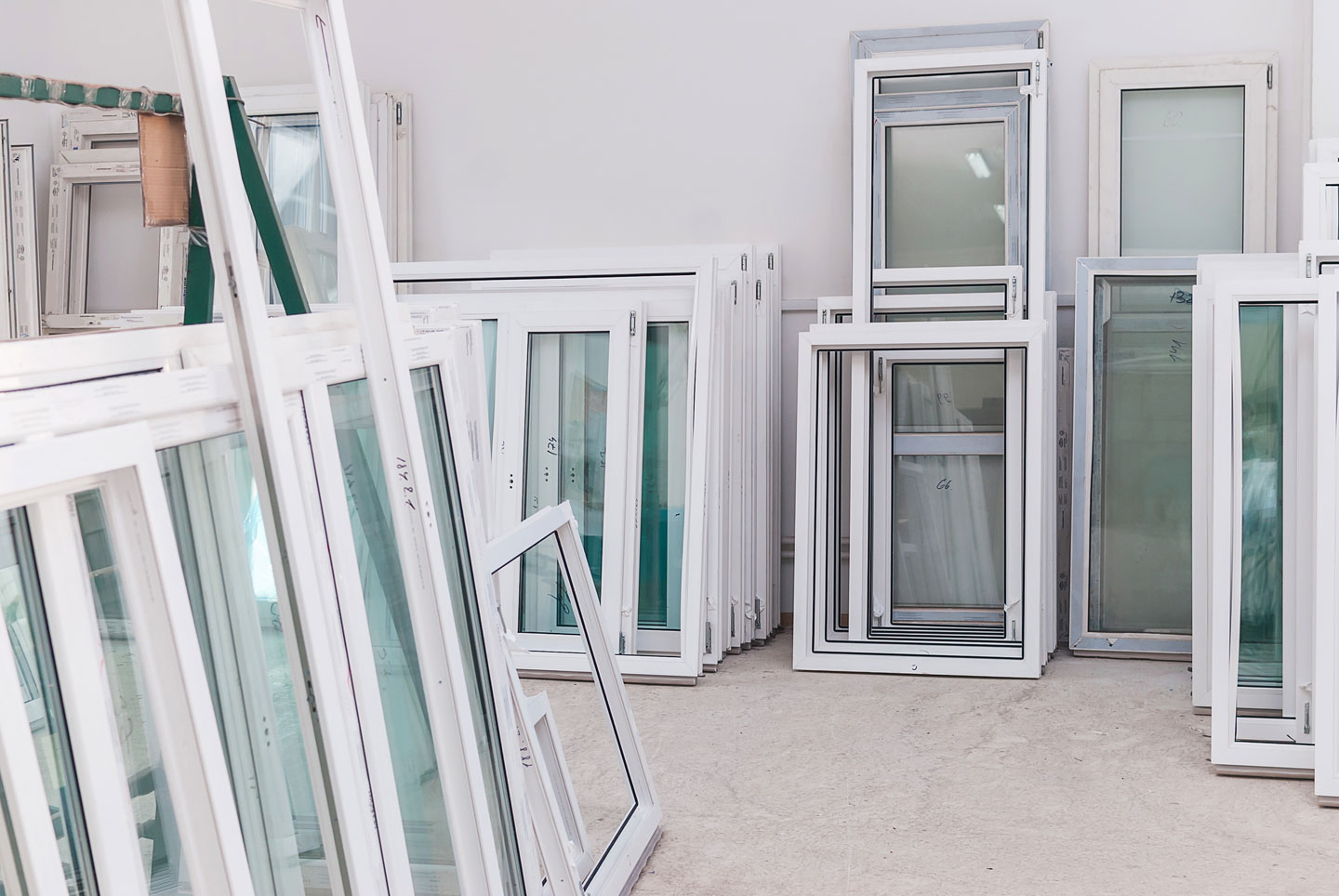
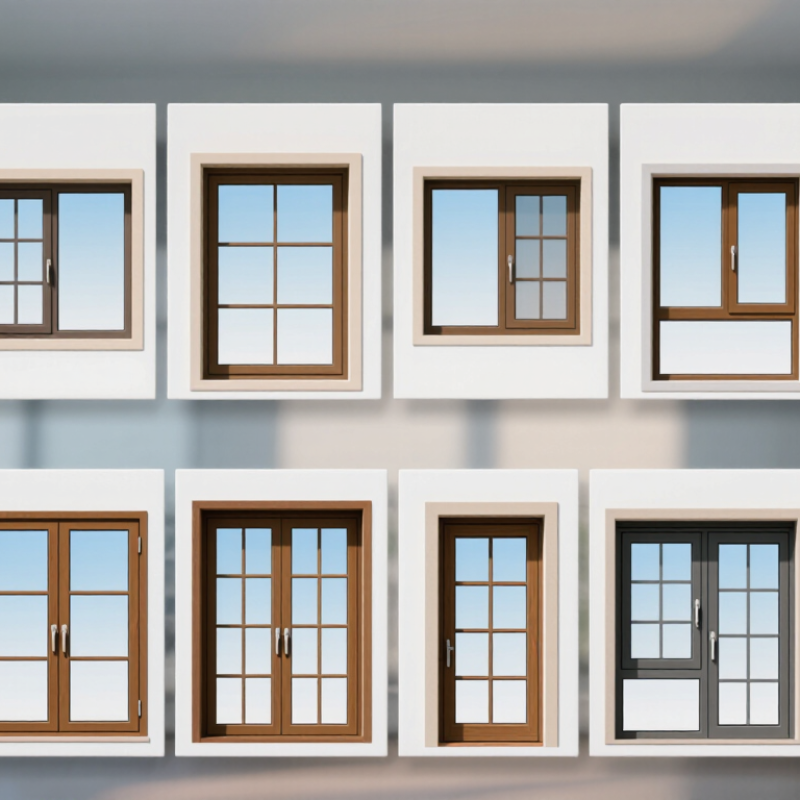
Windows and patio doors are commonly classified by how they open, what their frames are made from, and how their glass is built. A casement window swings outward on side hinges, while a sliding window moves horizontally along a track. Awning styles hinge at the top; fixed units do not open. The categories overlap. For example, a window can be both sliding and aluminum-framed. Compare opening style before comparing appearance, especially when planning ventilation or cleaning access.
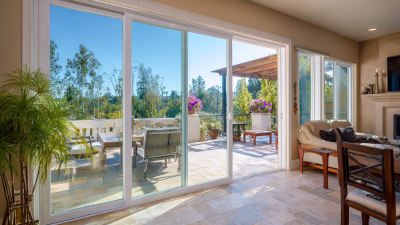
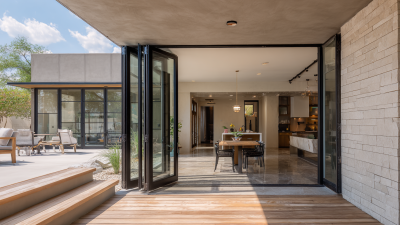
Patio doors are usually grouped by movement. Sliding doors travel along a track and need clear wall space beside the opening. Hinged doors swing inward or outward, so furniture and walkways affect placement. Folding systems use several connected panels and create a wider opening, but their hardware and installation need careful checking. Frame materials include wood, aluminum, vinyl, and composite options; availability and performance vary by region. Glass may include insulating layers or low-emissivity coatings. Labels can differ between suppliers, so matching names alone is not enough.
Tips: Ask for the opening direction, frame material, glass specification, and actual clear opening width. Check track drainage and hardware access, too. These small details matter. I would compare written specifications, not just showroom labels; the terminology can be messy.
Top 10 Windows and Patio Doors for Global Buyers: How They Are Classified
Common window and patio-door styles classified by their primary opening mechanism.
Each bar identifies one operating-mechanism category; it does not indicate product quality, market share, or performance. Actual configurations and terminology can vary by region.
Key Frame Materials, Glazing Types, and Operating Styles
Choosing among the top window and patio-door options starts with frame material. Vinyl resists moisture and needs little upkeep, while fiberglass handles temperature swings well. Wood offers a warm interior finish, but exposed surfaces need regular care. Aluminum is slim and strong; without a thermal break, it can transfer heat readily. Composite frames balance several traits, though performance varies by construction. There is no perfect frame. Check the whole assembly, not just the material label.
Glazing and operation matter just as much. The U.S. Department of Energy estimates that windows account for 25–30% of residential heating and cooling energy use. Its guidance recommends comparing U-factor and solar heat gain coefficient, rather than judging glass by pane count alone. Low-emissivity coatings and insulated double or triple glazing can help, but climate and orientation affect the right choice. The International Energy Agency’s 2023 buildings analysis reports that building operations use about 30% of global final energy. Small details matter. A casement sash can seal tightly when closed, while a slider is easy to use beside furniture but may admit more air at worn seals. Measure the opening carefully; installation can undo a good specification. I’d still question any “best” list that ignores local weather and maintenance habits.
Performance Factors for Different Climates and Regions
A window or patio door that performs well in one region may struggle in another. In cold climates, look for insulated frames, effective weather seals, and glazing suited to local winter conditions. Cold air finds gaps. Check the corners and meeting rails, where small installation errors can create noticeable drafts. A low threshold helps access, but it must still manage wind-driven rain and melting snow.
In hot, sunny regions, solar heat gain matters as much as insulation. Select glazing and shading that suit the direction of the opening; a west-facing patio door can take strong afternoon sun. In humid areas, durable finishes and careful drainage help reduce moisture-related wear. Coastal homes need extra attention to salt exposure and hardware corrosion. Performance labels are useful, but they cannot replace a site assessment.
Wind and rain exposure also vary within the same region. A sheltered courtyard and an exposed upper-floor opening do not face the same demands. Confirm that the chosen unit’s tested ratings match local conditions, and ask how the installer will seal the frame-to-wall joint. There is no universal winner, and I still find this easy to underestimate: a well-rated door can disappoint when its sill, flashing, or installation is poorly matched to the building.
Comparing Leading Window Options for Global Buyers
Global buyers should compare window options by climate performance, not frame material alone. The IEA’s 2023 Global Status Report for Buildings and Construction estimated that buildings and construction used 34% of global energy in 2022. Windows influence comfort and energy use, but their performance depends on glazing, frames, installation, and local weather. In colder regions, low U-factor glazing can reduce heat loss. In sunny climates, a suitable solar heat gain coefficient can limit unwanted heat. Details matter.
The U.S. Department of Energy estimates that windows account for 25–30% of residential heating and cooling energy use. That figure is specific to U.S. homes, not a universal forecast. Vinyl frames can offer practical insulation with limited upkeep; thermally broken aluminum suits slim profiles but needs careful specification. Timber insulates naturally, though finishes require attention. Fiberglass is dimensionally stable, but availability and cost vary. No frame wins everywhere. For large patio doors, inspect the same ratings and the quality of seals around the moving panels. Compare certified U-factor and solar heat gain coefficient values, such as those shown on National Fenestration Rating Council labels, and confirm how local standards define them. A low U-factor is not the whole answer. Installation can still disappoint. I would also check drainage details, replacement parts, and cleaning access before choosing.
Comparing Leading Patio Door Options and Their Uses
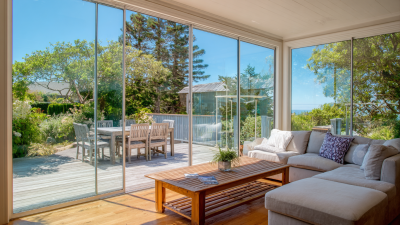
Patio door choice depends on room layout, opening size, weather exposure, and daily use. Sliding doors travel along a track, so they do not need swing clearance. They suit compact rooms and offer broad glass views, though only part of the opening usually clears. Keep the track free of grit; small stones can make operation rough. Hinged French doors open wide and feel familiar, but need clear floor space. In a narrow dining area, that swing can interfere with chairs.
Folding doors can create a wide opening for entertaining, but their panels and hardware need room to stack. They also require careful alignment to move smoothly. Lift-and-slide systems can support large, heavy panels and often provide a snug closed position, but their cost and installation demands may be higher. Multi-slide doors offer expansive openings, yet the track layout and panel storage deserve attention before ordering. Details matter. For a windy or rainy site, ask a qualified installer about drainage, seals, and local exposure—not just the glass area. Measure the finished opening, check where furniture sits, and test the handle height if accessibility matters. A detail is easy to miss: even a beautiful door may feel inconvenient when its everyday path is blocked.