Why Choose Sliding Glass Door Replacement?
Sliding glass doors shape how a home feels, functions, and connects with the outdoors. Over time, rollers may grind, seals can crack, and cloudy glass may reduce natural light. A door that once opened quietly can become heavy, drafty, or difficult to secure. Sliding glass door replacement offers a practical way to address these problems while improving daily comfort.
The decision should begin with a careful inspection, not a sales promise. An experienced installer will check the frame, track, wall opening, drainage, and surrounding structure. They can also compare glass ratings, locking systems, ventilation needs, and local weather conditions. Low-emissivity glass may help reduce heat transfer, while multi-point locks can improve security. Small details matter.
A new panel alone may not solve everything.
If the frame is warped or moisture has damaged nearby materials, broader repairs may be necessary. This is where professional judgment becomes valuable. Reputable contractors should explain product limitations, provide clear measurements, and follow manufacturer installation guidance. Certifications and verifiable reviews can support credibility, but they should not replace direct questions. Ask about warranties, maintenance, removal procedures, and expected installation time.
Replacement is not automatically the best answer. Sometimes new rollers, weatherstripping, or track repairs are enough. I have seen homeowners focus on attractive glass while overlooking poor drainage beneath the sill. That mistake can become expensive later. A balanced evaluation considers appearance, energy performance, accessibility, safety, and long-term upkeep. With realistic expectations and documented advice, homeowners can decide whether sliding glass door replacement truly fits their property.
What Sliding Glass Door Replacement Involves
Why Choose Sliding Glass Door Replacement?
What Sliding Glass Door Replacement Involves
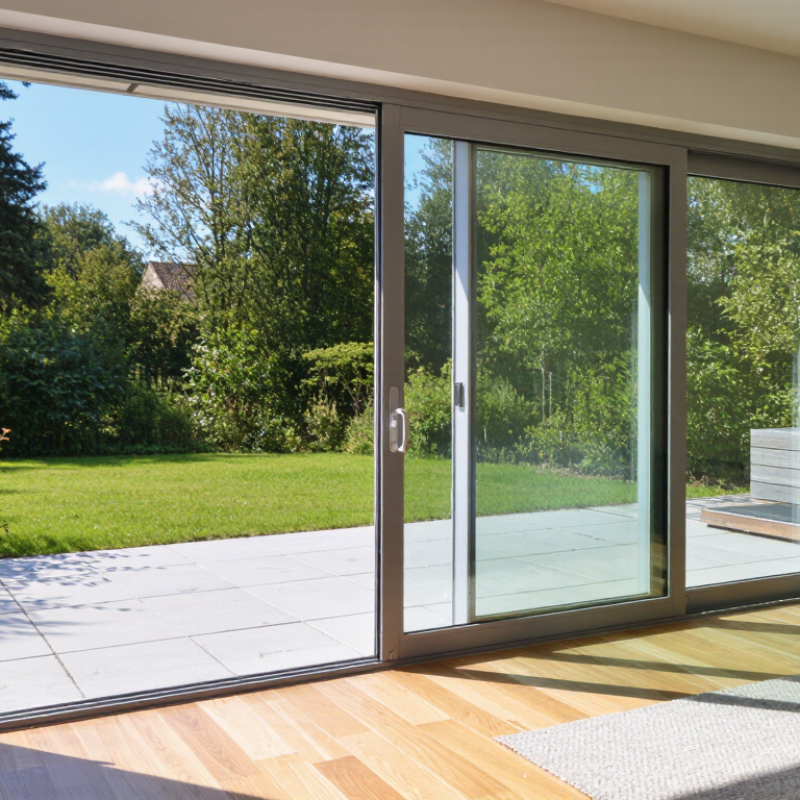
Sliding glass door replacement involves more than removing an old panel. A technician first checks the frame, track, rollers, locks, and surrounding wall. These details reveal whether replacement is practical or whether repairs may work better. Measurements must include height, width, glass thickness, and panel overlap. Small errors can cause drafts, sticking, or poor security.
The old door is removed carefully to protect flooring and nearby trim. Damaged rollers or tracks may need replacement during installation. The new panel should move smoothly without scraping. Its lock must align correctly with the frame. Weather seals are also inspected around the edges. From practical experience, many problems come from neglected tracks, not the glass itself. I once underestimated a slightly uneven opening, and the final adjustment took longer than expected.
Tips:
Clear furniture from the doorway before work begins. Photograph existing hardware and note unusual sounds. Ask the installer to test movement, locking, drainage, and air gaps. Check the glass for chips before signing off. Do not ignore a minor wobble. It can become expensive later. Some homes also need trim repairs after removal, which is easy to overlook.
Benefits of Replacing an Aging Sliding Glass Door
Why Choose Sliding Glass Door Replacement?
An aging sliding glass door can make a room feel colder, darker, and less secure. Replacement often improves daily comfort more than expected. Newer doors usually slide with less effort and close with a tighter seal. This helps reduce drafts, outside noise, and dust near the track. Clear, efficient glass can also bring in daylight while limiting unwanted heat transfer.
During a replacement, a qualified installer should inspect the frame, rollers, lock, and surrounding wall. A damaged frame may need attention before the new door is fitted. This detail is easy to miss. I have seen homeowners replace the panel, then discover moisture damage beneath the sill. Proper measurements matter too. Even a small error can cause leaks, sticking, or uneven gaps. Safety-rated glass and correctly installed hardware provide more dependable everyday protection.
Tips:
Check the track for rust, grit, and standing water before choosing a replacement. Ask for measurements in several places, not just once. Confirm the glass type, weather seals, drainage design, and maintenance needs. Keep the old door’s opening clear during installation. Replacement is not always the answer. If the wall has shifted, a new door alone may not solve the problem. That is worth questioning before spending money.
How to Choose the Right Replacement Door
Replacing a sliding glass door is not only about improving appearance. The right choice should match your opening, daily habits, climate, and security needs. Measure the existing width and height at several points. Older frames may have shifted slightly. A single measurement can mislead you.
Start with the door’s operation. A two-panel unit may suit a narrow room, while a wider opening might need a three-panel design. Check which side should slide. It sounds minor. It is not. The wrong direction can block furniture, switches, or a patio path. Examine the sill and surrounding wall for moisture stains, soft wood, or uneven surfaces before ordering. These problems should be repaired first, not hidden behind a new frame.
Glass selection also deserves careful thought. Double-pane glass can improve comfort near a sunny window, while laminated glass may reduce noise and resist impact better. Ask about drainage holes, weather seals, rollers, locks, and frame materials. These details often decide whether the door feels smooth after years of use. From replacement projects I have reviewed, installation quality matters as much as the product itself. A slightly imperfect measurement or rushed adjustment can cause drafts and difficult movement. I would request a written specification, warranty terms, and a clear installation plan. Then compare the total cost, not just the door price.
Why Choose Sliding Glass Door Replacement?
Estimated conductive heat-loss index for a 100 ft² sliding glass door using representative whole-door U-factor values.
Lower U-factor values indicate better insulation and less heat transfer. When choosing a replacement door, compare the certified U-factor, solar heat gain coefficient, air-leakage rating, visible transmittance, safety glazing, and the quality of the frame and installation. The heat-loss index is calculated as U-factor × 100 ft² × 5,000 heating degree-hours.
What to Expect During the Replacement Process
Sliding glass door replacement usually begins with a careful site inspection. An experienced installer checks the opening, frame, wall condition, and drainage path. Measurements matter. Small errors can create drafts, sticking panels, or water entry later. You can expect furniture and nearby flooring to receive protective coverings before removal starts.
The old door is removed carefully, since damaged glass and loose hardware can create hazards. The installer then examines the exposed opening for rot, moisture, or uneven surfaces. Any hidden damage may change the schedule or cost. That part can feel inconvenient, but ignoring it often causes larger problems. The new frame is positioned, leveled, and secured with appropriate fasteners. Shims help keep the panels aligned. Weather-resistant seals are added around the frame and threshold.
After installation, the panels should slide smoothly without scraping or excessive force. The lock, handle, rollers, and weather seals need practical testing. A professional should also inspect the exterior seal and confirm that water can move away from the threshold. Ask questions during this stage. Clear explanations build trust. No replacement is perfectly predictable, and even skilled work may require small adjustments after installation. In my experience, homeowners sometimes focus on appearance and overlook operation. A beautiful door is not enough if it closes poorly or allows a cold draft. Keep the area clear until the sealant cures, and report unusual movement or moisture promptly.