How to Choose PVC Replacement Windows for Your Project?
Choosing pvc replacement windows is not simply a matter of comparing frame colors and advertised prices. The right choice must suit the building, climate, wall construction, and installation conditions. A window that performs well in a coastal home may fail to deliver the same comfort in a cold, windy region. That difference matters.
Building-science expert Joseph Lstiburek is widely associated with a practical warning: “Windows are holes in walls.” The phrase is brief. Its meaning is important. Every opening can affect air leakage, water control, heat transfer, and indoor noise. Therefore, homeowners and project managers should examine the complete system, not only the PVC profile. Glass configuration, low-emissivity coatings, gas filling, spacer design, drainage paths, and reinforcement all deserve careful review. Certified performance ratings can provide useful evidence, but they do not replace professional judgment.
A reliable selection process begins with accurate measurements and a clear project goal. Are you reducing drafts, lowering energy use, improving security, or refreshing an older façade? These priorities may lead to different specifications. Check U-factor, solar heat-gain coefficient, air leakage, water resistance, and visible transmittance. Also review the installer’s experience with existing openings. Poor fitting can undermine excellent products. It happens more often than expected.
There is no flawless checklist. Existing frames may contain hidden moisture damage, uneven masonry, or previous repair work. A careful survey should identify those problems before ordering. In the following guide, we will compare materials, glazing options, styles, costs, warranties, and installation details. The goal is practical confidence, not a rushed purchase.
Understanding PVC Replacement Window Types and Core Components
How to Choose PVC Replacement Windows for Your Project?
PVC replacement windows come in several practical forms.
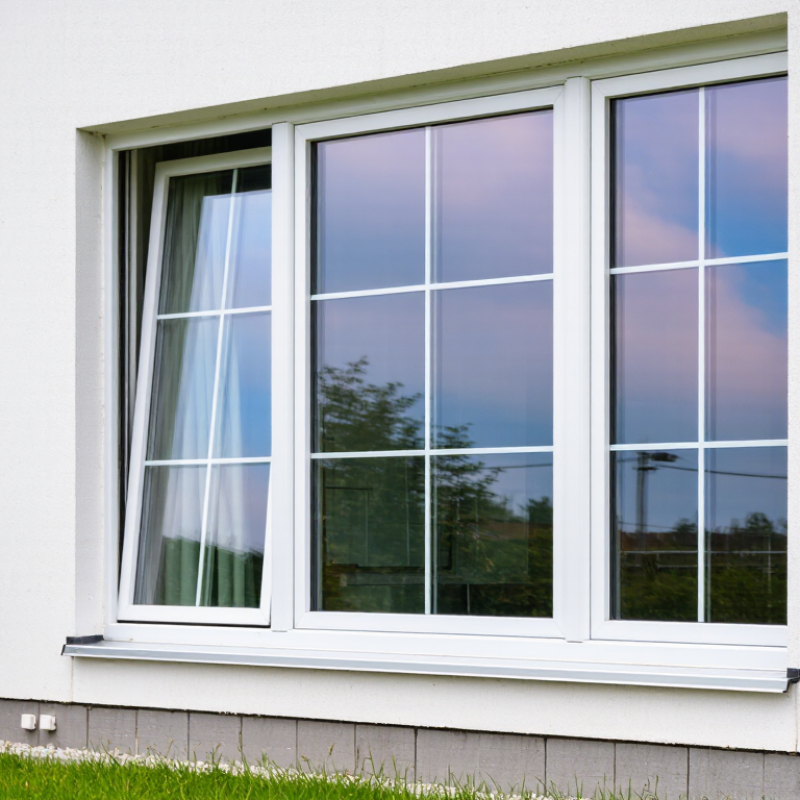
Casement windows open outward with side hinges and provide strong ventilation. Tilt-and-turn windows offer a secure tilt position and a wider opening for cleaning. Sliding windows save space, but their seals may need closer attention over time. Fixed panels add daylight but do not provide airflow. The correct type depends on room use, opening size, escape requirements, and local weather exposure.
The core system
includes the frame, sash, glazing unit, seals, spacers, hardware, and drainage paths. Multi-chamber PVC frames can reduce heat transfer, while reinforced sections help larger windows stay stable.
Double glazing suits many homes, but triple glazing can improve insulation in colder climates. Check the published U-value, air-tightness, water resistance, and acoustic test data. These figures are more useful than vague claims.
Installation quality matters as much as window design.
A replacement frame must fit the existing opening without crushing the seals or blocking drainage. On renovation projects, uneven masonry often creates small gaps that foam alone cannot correct. A trained installer should inspect the reveal, measure at several points, and explain the fixing method.
I would not choose solely by the lowest price. A higher specification can still disappoint when ventilation, shading, or maintenance access is overlooked. Sometimes, the simpler window performs better.
Assessing Your Project’s Window Requirements and Site Conditions
Choosing PVC replacement windows starts with the opening, not the product brochure.
On site, measure width, height, and squareness at several points. Record the smallest dimensions. Measure twice. A bowed frame can make a standard unit difficult to install. Check the wall construction, sill depth, and condition of surrounding timber or masonry. Soft, stained material signals moisture damage. Do not hide it behind new trim. Repairing the cause protects the new window.
Observe each elevation during different weather if possible.
South- and west-facing glass may face stronger solar heat, while exposed façades receive driving rain and wind. Nearby roads create a different acoustic need than a quiet garden. Ask how the room is used. Bedrooms may need low air leakage and reliable ventilation. Kitchens and bathrooms need effective moisture control. If a window serves as an emergency exit, confirm the required clear opening with local building requirements. These details influence glazing, opening style, frame reinforcement, and drainage design.
Installation access deserves attention.
Narrow stairways, scaffolding limits, and fragile interior finishes can change the fitting method and labor risk. Confirm where the old units will be removed and how waste will be handled. PVC expands and contracts with temperature, so installers need suitable fixing points and movement allowance. Poor shimming can distort the sash and cause rubbing later. I have seen attractive windows perform badly because the sill was not level. That mistake is easy to miss. Before ordering, compare the measured survey with the proposed dimensions, ventilation plan, safety hardware, and maintenance expectations. Leave room for doubt; site conditions rarely match a drawing perfectly.
Comparing Glass, Frame, Insulation, and Energy Performance
Choosing PVC replacement windows requires more than comparing frame color and opening style. The glass, frame, insulation, and energy ratings must work together. The U.S. Department of Energy reports that windows can account for 25–30% of residential heating and cooling energy use. That figure makes glass selection important, especially on large south-facing openings.
Look for double or triple insulating glass, low-emissivity coatings, and argon-filled cavities. NFRC labels provide tested whole-window U-factor and solar heat gain coefficient values. A lower U-factor generally means better insulation, while SHGC should match the local climate and window orientation. PVC frames resist moisture and conduct less heat than many metal frames, but hollow sections still need effective chambers and reliable seals. Poor installation can weaken excellent laboratory performance. I have seen small perimeter gaps create noticeable drafts near a winter windowsill.
Tips: Compare complete-window ratings, not glass-only claims. Check NFRC data before choosing. Ask installers how they seal the frame, sill, and wall opening. Use the U.S. Department of Energy’s climate guidance to balance insulation and solar gain. ENERGY STAR performance criteria can also support consistent product comparisons. Still, no rating replaces a site inspection; shading, ventilation, and workmanship may change real results. My own preference is not always the best answer, and triple glazing can add weight, cost, and installation demands.
Evaluating Durability, Maintenance, Safety, and Long-Term Value
Choosing PVC replacement windows requires more than comparing frame colors and advertised prices. Durability starts with the profile, reinforcement, weld quality, seals, and drainage paths. In real installations, poor shimming can damage an excellent window. I have seen condensation blamed on glass when indoor humidity was the real problem.
The U.S. Department of Energy reports that windows can represent 25–30% of residential heating and cooling energy use. Compare NFRC-certified U-factor, solar heat gain coefficient, visible transmittance, and air-leakage ratings. Lower U-factor usually improves insulation, but a very low solar heat gain coefficient may reduce useful winter warmth. Climate and window orientation matter. One specification cannot fit every room.
Maintenance should be practical. Check whether gaskets, hardware, and screens are replaceable without removing the frame. Smooth PVC surfaces need little repainting, yet neglected drainage channels can still collect dirt and water. Safety also deserves careful inspection: laminated or tempered glass, secure locks, opening limits, and child-resistant hardware may reduce injury risks. DOE guidance notes that replacing single-pane windows with efficient units can reduce annual energy use, often by 7–15%, depending on climate and existing conditions. Long-term value depends on installation quality, warranty terms, repair access, and realistic service life—not only the initial quotation. Cheap windows can become expensive when adjustment visits begin.
How to Choose PVC Replacement Windows for Your Project?
Reference service-life benchmarks help compare durability and long-term value before selecting a replacement window system. PVC windows generally offer low routine maintenance, while safety depends on the correct glazing, hardware, and installation specification.
Indicative reference service-life values used in life-cycle planning: PVC 30 years, aluminium 45 years, timber 60 years, and timber-aluminium composite 60 years. Actual performance depends on climate, exposure, installation quality, maintenance, glazing, and hardware selection.