How to Choose Patio Doors with Windows in 2026?
Choosing patio doors with windows in 2026 requires more than comparing frame colors and glass sizes. These doors shape daylight, ventilation, security, energy use, and the way a room connects with the garden. A beautiful door can still feel wrong when its threshold leaks air, its glass overheats the sofa, or its track collects grit after one rainy season.
Building-science consultant Steve Baczek often says, “A window is a hole in the wall.” His reminder applies directly to patio doors with windows. Every glass panel creates an opportunity for light, but also a possible weakness in insulation and water control. Look for low-emissivity glass, insulated frames, durable seals, and verified performance ratings. Consider the opening direction, too. A sliding door saves interior space, while a hinged system may offer a wider, more natural passage.
Think about daily use.
Can children operate the lock safely? Will furniture block the swing? Does the threshold suit someone carrying groceries or using mobility equipment? Measure sunlight during different seasons, not only during a showroom visit. A south-facing opening may need exterior shading, even with efficient glass.
Specifications matter. Installation matters more.
This is where many buying guides oversimplify the decision. The best patio doors with windows depend on climate, wall construction, drainage, and installer skill. A premium product cannot correct poor flashing or an uneven opening. Ask for documented testing, warranty terms, maintenance requirements, and installation references. No checklist is perfect. Still, careful questions can prevent an expensive, uncomfortable regret.
Define Your Patio Door Needs and Space Requirements
How to Choose Patio Doors with Windows in 2026?
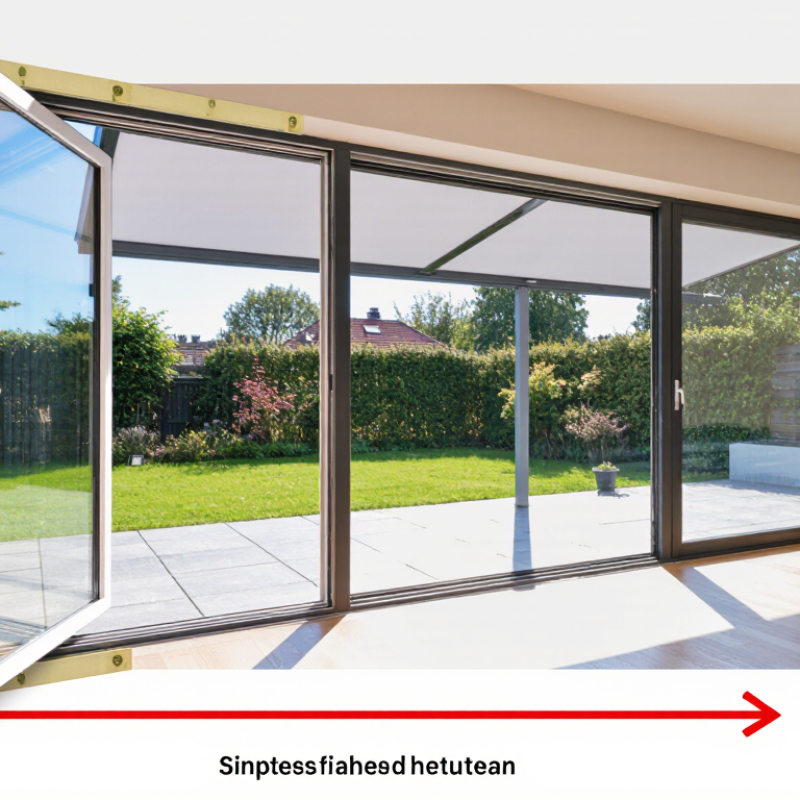
Before comparing patio door styles, define how the opening must work each day. Measure the wall opening, not just the existing door panel. Record width, height, sill depth, and nearby trim. Leave room for the door’s operating path, curtains, furniture, and cleaning access. A sliding door needs clear wall space beside the opening. A hinged door needs a wider swing area.
Study the room’s sunlight, airflow, and traffic patterns. A south-facing opening may need low-emissivity glass or exterior shading. A windy side may require stronger hardware and tighter weather seals. If children or pets use the doorway, consider a low-threshold design and visible safety markings. These details often matter more than decorative frames. Check local building requirements and ask a qualified installer to verify structural support before ordering.
Use your actual furniture layout as a test. Place tape on the floor to show the proposed door and swing. Walk through it while carrying groceries or a laundry basket. My first layout looked efficient, but the handle nearly touched a cabinet. That small mistake changed the opening direction. Also consider future needs, such as easier access or reduced maintenance. Glass size, frame weight, drainage, and ventilation should match the home’s climate and construction. A written site assessment can prevent costly assumptions, although it may not reveal every issue behind the wall.
How to Choose Patio Doors with Windows in 2026?
Define your patio door needs and space requirements before selecting a configuration.
The chart compares common planning ranges for patio door configurations. Sliding doors usually require less interior clearance, while French and folding doors need more operating space. A clear opening of at least 32 inches is commonly used for accessible doorway planning. Confirm the final rough opening, threshold height, structural requirements, and local building codes before installation.
Compare Patio Door Styles with Integrated Window Options
How to Choose Patio Doors with Windows in 2026?
Patio doors should match how your home handles light, traffic, weather, and privacy.
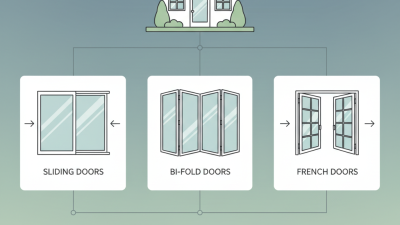
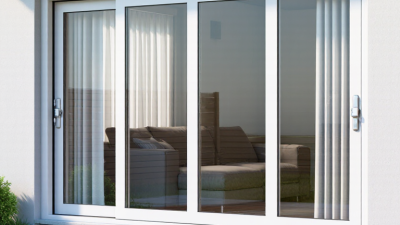
Sliding doors suit narrow rooms because their panels move parallel to the wall. Hinged or French doors open wider, but they need clear floor space for handles and furniture. Folding doors create the broadest opening, although their tracks require careful cleaning.
According to the U.S. Department of Energy, windows can represent 25–30% of residential heating and cooling energy use. Glass selection matters.
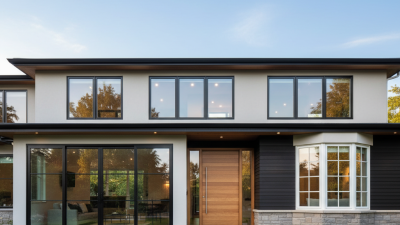
Compare integrated window options before choosing a frame style. Fixed sidelites add daylight without increasing operating hardware. A transom window brings light above the door, while divided grilles create a traditional appearance.
Low-emissivity glass, warm-edge spacers, and insulated frames can improve comfort near the opening. ENERGY STAR reports that replacing single-pane windows with certified products may save homeowners $101–$583 annually, depending on climate and home conditions. Those figures are useful, but they are not promises.
Check the whole assembly, not only the glass label.
Look for NFRC ratings, including U-factor and solar heat gain coefficient. A low U-factor helps in cold climates, while a lower solar heat gain coefficient may reduce summer overheating.
Measure the rough opening twice. An attractive door can still perform poorly if installation leaves gaps or weak flashing.
More glass is not automatically better. Large panels may increase glare, privacy concerns, and cleaning time. A smaller fixed window beside a well-sealed sliding door may serve the room better.
Evaluate Glass Types, Energy Efficiency, and Natural Light
Choosing patio doors with windows in 2026 starts with the glass, not the frame.
A bright room can feel welcoming at noon and uncomfortably hot by three. Review the door’s U-factor for heat transfer and solar heat gain coefficient (SHGC) for sunlight. Lower U-factor usually improves insulation. SHGC needs a climate-based decision. In cold regions, moderate solar gain may help. In hot regions, lower gain can reduce cooling demand. Brightness can mislead.
Double glazing suits many homes
while triple glazing can improve comfort in colder climates. Low-emissivity coatings help reflect indoor heat during winter and outside heat during summer. Ask for the whole-door performance, not just a center-of-glass number. That detail matters. Warm-edge spacers and insulated frames can reduce cold edges, condensation, and drafts. Safety glazing is important near floors and walking paths. Confirm requirements with a qualified installer and local building rules.
Natural light depends on more than pane size. A south- or west-facing opening may need exterior shading, curtains, or solar-control glass. Stand inside at the same hour you use the room. Notice reflections. Check whether furniture, screens, or nearby walls will block daylight. Clear glass gives crisp views, but patterned or tinted glass may protect privacy. Too much tint can make a room look gray. I would measure morning and afternoon light before ordering. My first choice is not always right; glare, fading, and winter darkness can change the decision.
Check Materials, Security Features, and Weather Resistance
How to Choose Patio Doors with Windows in 2026?
Check Materials, Security Features, and Weather Resistance
Choosing patio doors with windows starts with the frame material. Vinyl resists moisture and usually needs little maintenance. Aluminum offers slim profiles, but it can transfer heat without thermal breaks. Wood feels warm and attractive, yet it needs regular sealing. Composite frames can balance durability, insulation, and appearance.
Look closely at the glass, too. Double glazing suits many homes, while triple glazing may help in colder regions. Low-emissivity coatings can reduce heat loss and fading. In my experience, a sample door reveals more than a brochure. Touch the frame. Test the handle. Notice drafts around the edges.
Security should feel practical, not excessive. Choose multi-point locks, strong hinges, and laminated or tempered glass. Check whether the lock cylinder resists common tampering methods. A wide opening also needs a firm track and secure rollers. Small details matter.
Weather resistance is easy to underestimate. Inspect the door’s water rating, air leakage rating, and wind-load performance. Look for continuous weatherstripping and a properly sloped sill. During heavy rain, weak drainage can send water toward the interior floor. That mistake is expensive.
I once focused too much on appearance. The dark frame looked excellent, but it became hot beside the afternoon glass. My judgment was incomplete. Local climate, installation quality, and maintenance habits should influence the final choice. Ask for tested performance data, not vague promises.
Plan Installation, Maintenance, and Long-Term Value
How to Choose Patio Doors with Windows in 2026?
Plan installation before comparing finishes or frame colors. Measure the opening at several points, since older walls may not be square. Check the door’s U-factor, solar heat gain coefficient, and glass safety rating. These details affect comfort, energy use, and replacement costs. A qualified installer should inspect the sill, flashing, drainage path, and surrounding structure. Poor sealing can cause drafts, staining, and hidden moisture. Confirm local building requirements before ordering. Small errors become expensive after delivery.
Maintenance protects long-term value. Clean tracks with a soft brush, then use a suitable lubricant sparingly. Inspect weatherstripping twice yearly. Replace cracked seals early. Keep drainage holes clear of leaves and dust. For large glass panels, use non-abrasive cleaner and a microfiber cloth. Watch for condensation between panes, uneven movement, or soft flooring near the threshold. These signs may indicate failed seals or water intrusion. It is tempting to choose the lowest price, but hardware quality and installation precision often matter more over time. Even careful plans can miss something.
Tips: Request a written installation scope. It should mention flashing, shims, sealants, cleanup, and warranty responsibilities. Test the doors before the installer leaves. They should slide smoothly, lock firmly, and remain aligned. Keep maintenance records, including seal replacements and adjustments. They may help later.