

China Top 10 Vinyl Window Manufacturers?
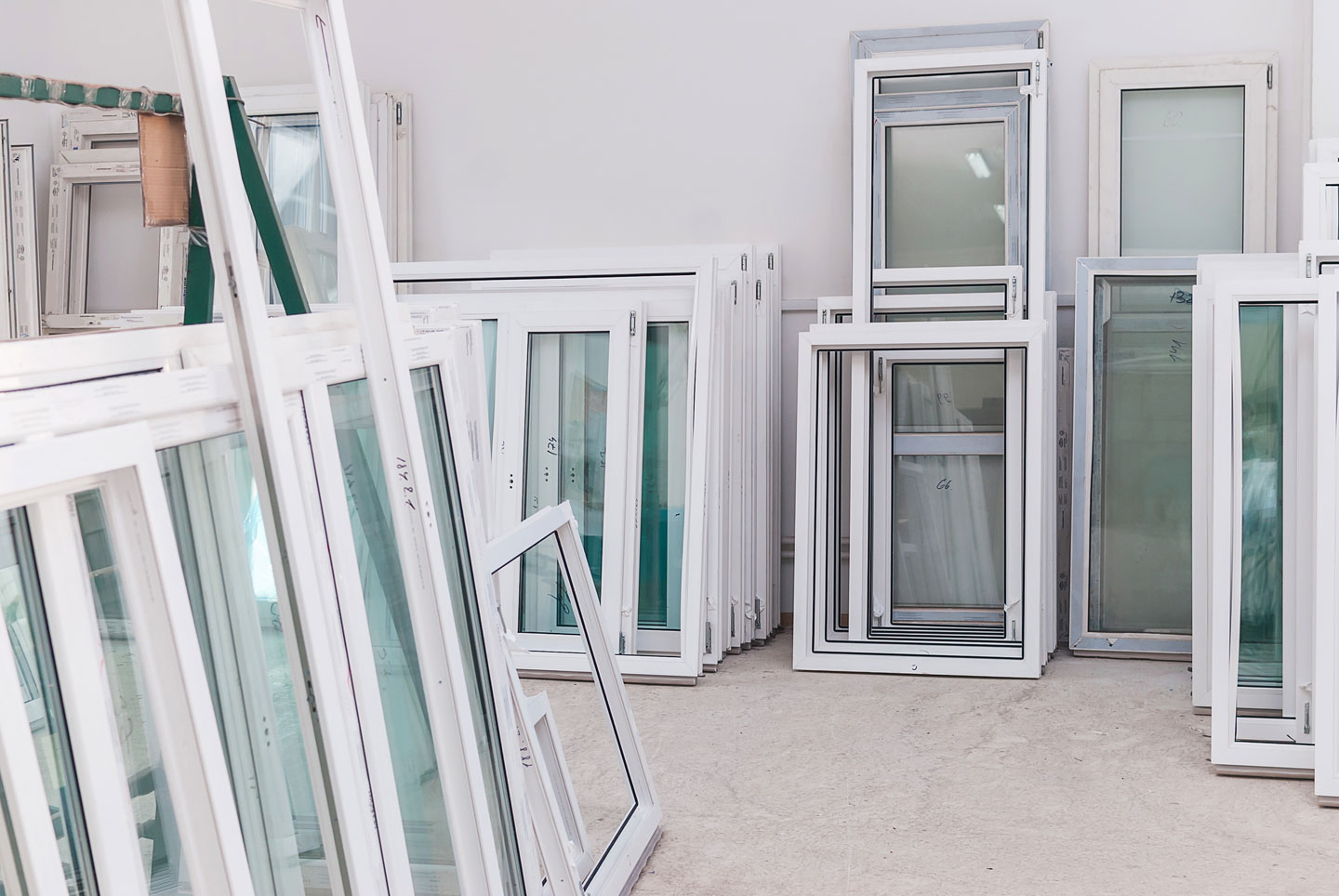
China’s vinyl windows industry has become a significant part of the global building-products market. China Top 10 Vinyl Window Manufacturers? This question requires more than factory size or export volume. It demands evidence about thermal performance, profile quality, hardware durability, certifications, and installation support.
Grand View Research estimated the global vinyl windows market at approximately USD 7.6 billion in 2023. Its report also projects continued growth through 2030, supported by renovation demand and energy-efficiency requirements. The U.S. Department of Energy reports that windows can account for 25% to 30% of residential heating and cooling energy use. That figure gives vinyl windows practical importance. A poorly sealed frame can still waste energy, even when the glass looks impressive.
Tom Culp, a recognized fenestration consultant and energy-performance specialist, has repeatedly stressed that “the whole window system matters, not just the glass.” His point should guide this manufacturer comparison. Reliable evaluation must include U-value, solar heat-gain coefficient, air leakage, weather resistance, and verified test standards. NFRC certification and ENERGY STAR requirements can provide useful reference points, but they do not replace factory audits or sample testing.
Details matter. Look for welded corners, reinforced meeting rails, drainage paths, and consistent gasket compression. Ask whether published values apply to the complete window or only its center glass. That distinction is easy to miss. It can change the buying decision.
This overview will compare ten Chinese manufacturers using available technical data, export experience, certifications, customization capacity, and after-sales reliability. Some public information may be incomplete. That weakness deserves attention, not concealment. A polished catalog is not proof of dependable performance.
What Defines a Leading Vinyl Window Manufacturer in China
What Defines a Leading Vinyl Window Manufacturer in China
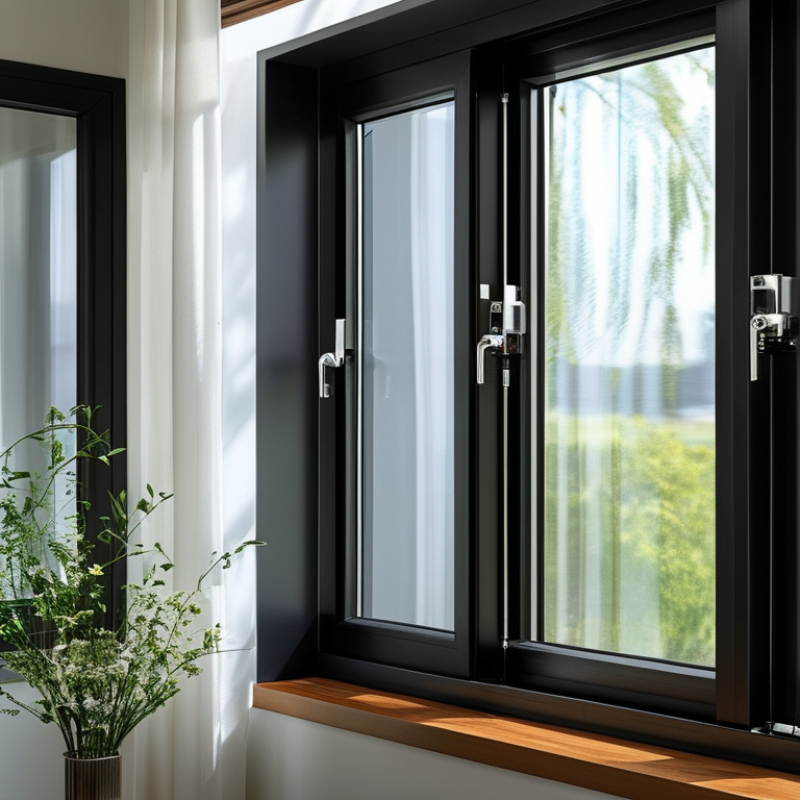
A leading vinyl window manufacturer is defined by more than production volume or attractive pricing. It should understand how vinyl profiles perform in humid coastal cities, cold northern regions, and areas with intense sunlight. Practical experience matters. Factory engineers should control profile thickness, welding strength, hardware fitting, and glass sealing during every production stage.
Reliable manufacturers provide traceable material records, clear quality standards, and repeatable testing. Look for evidence from independent laboratories, documented inspection procedures, and real project feedback. A capable supplier can explain U-values, air leakage, water resistance, wind pressure, and sound reduction without hiding behind technical language. It should also offer accurate drawings, stable lead times, secure packaging, and responsive after-sales support. Small details matter. A scratched frame or poorly protected corner can create costly site delays.
Tips: Request recent test reports and sample sections before placing a large order. Compare corner welds, gasket contact, drainage paths, and hardware movement by hand. Ask how defects are recorded and corrected. A factory that admits occasional mistakes may be more trustworthy than one claiming perfection. Still, buyers should verify every promise through samples, inspections, and written specifications. Pricing alone is a weak measure of leadership. Consistency is harder to achieve.
China Top 10 Vinyl Window Manufacturers? - What Defines a Leading Vinyl Window Manufacturer in China
| Rank | Evaluation Dimension | Verified Industry Benchmark | What a Leading Manufacturer Should Provide | Recommended Evidence |
|---|---|---|---|---|
| 01 | Product Standard Compliance | Windows tested under recognized standards such as ASTM E283, ASTM E330, ASTM E331, AAMA/WDMA/CSA 101/I.S.2/A440, or EN 14351-1. | A product range designed for the destination market, with test reports that identify the exact window configuration. | Current third-party laboratory reports and product performance labels. |
| 02 | Air Infiltration Control | Air leakage is measured using ASTM E283 or equivalent regional test methods; lower leakage indicates tighter fabrication and sealing. | Consistent results supported by welded corners, reliable gaskets, accurate sash alignment, and documented process controls. | Air-leakage test results for each major profile and opening style. |
| 03 | Water Penetration Resistance | ASTM E331 and comparable standards evaluate resistance to water penetration under controlled pressure and exposure conditions. | Sloped drainage paths, properly designed weep systems, sealed joints, and installation guidance suitable for the project climate. | Water-resistance reports, drainage diagrams, and installation instructions. |
| 04 | Structural Performance | ASTM E330 or equivalent testing measures deflection and resistance to uniform structural loading. | Profile reinforcement, corner strength, hardware anchoring, and configuration-specific load calculations. | Structural test reports and engineering calculations for the selected sizes. |
| 05 | Thermal Efficiency | U-factor and Solar Heat Gain Coefficient are commonly calculated or certified under NFRC 100 and NFRC 200 methodologies. | Low-emissivity glazing options, insulated glass units, warm-edge spacer choices, and thermally suitable frame designs. | NFRC or equivalent thermal calculations for the complete window assembly. |
| 06 | uPVC Profile Quality | Quality uPVC profiles require controlled formulation, dimensional stability, weather resistance, and suitable wall thickness for the intended application. | Traceable raw materials, controlled extrusion parameters, UV-resistant formulations, and batch inspection records. | Material specifications, profile drawings, batch records, and laboratory test data. |
| 07 | Glass and Hardware Options | Performance depends on the complete system, including glass thickness, spacer, gas fill, locks, hinges, handles, and reinforcement. | Compatible hardware for casement, tilt-and-turn, sliding, awning, and fixed configurations, with tested load limits. | Component specifications, hardware load data, glazing configuration sheets, and compatibility records. |
| 08 | Production Quality Management | ISO 9001 is an internationally recognized framework for quality management systems, although certification alone does not guarantee product performance. | Incoming-material inspection, in-process checks, final testing, barcode traceability, and corrective-action procedures. | Valid certification, inspection plans, quality records, and factory audit access. |
| 09 | Customization and Project Support | Window performance varies with size, glazing, reinforcement, opening style, and installation method; a standard catalog value may not apply to every project. | Shop drawings, color and grille options, project-specific calculations, packaging plans, and installation documentation. | Approved drawings, sample approvals, technical submittals, and pre-production checklists. |
| 10 | Export Reliability and After-Sales Service | Reliable international supply requires documented packaging, container loading controls, spare-part availability, warranty terms, and responsive technical support. | Clear lead-time commitments, export documentation, damage-control procedures, replacement-part support, and written warranty conditions. | Packing specifications, inspection reports, warranty documents, delivery records, and service-response procedures. |
Note: The benchmarks above reference widely used international testing and quality-management frameworks. Actual window performance must be verified for the specific profile, glass package, size, hardware configuration, and installation method.
Related Posts
-
10 Vinyl Window Installation Tips for Global Buyers
-

Essential Tips for Choosing Windows and Patio Doors for Your Home Upgrade
-

The Ultimate Guide to Choosing the Best Vinyl Fixed Windows: Insights and Data for Global Buyers
-

What is Vinyl for Windows Benefits and Uses for Buyers?
-
Unmatched Excellence in Best Sliding Glass Door Replacement from China
-

Transform Your Home with Expert Vinyl Window Installation: A DIY Guide for Homeowners